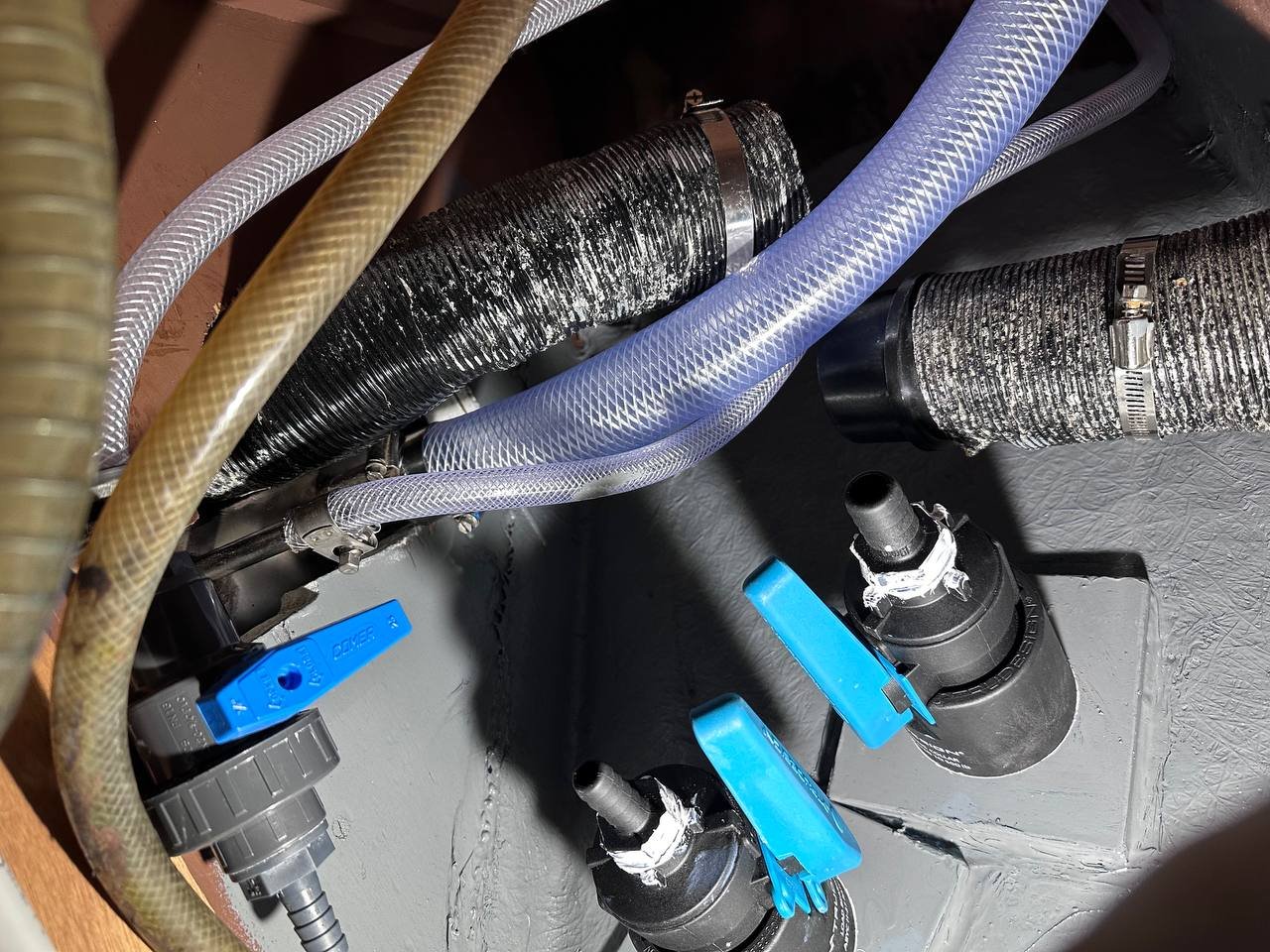
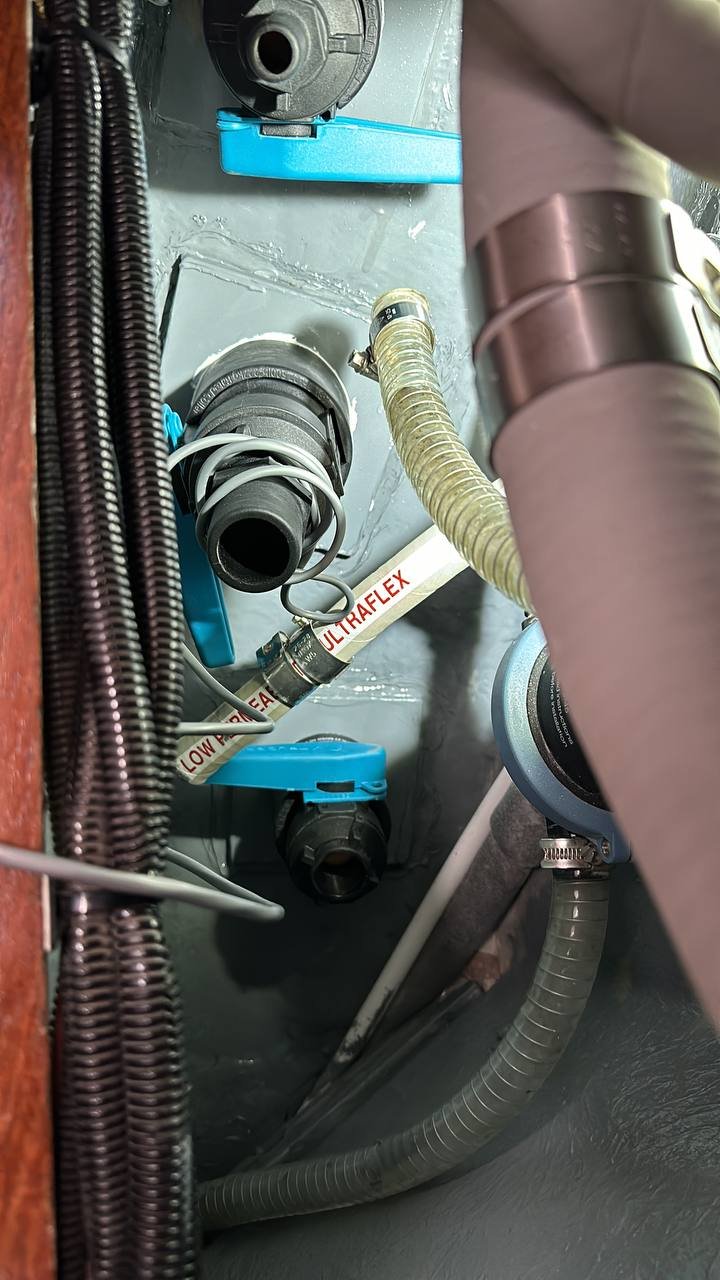
Through-Hulls and Seacocks
Replacing all 13 through-hull fittings and seacocks - a mixture of original bronze and various replacements over the years - with Trudesign composite fittings and ball valves. Every below-waterline penetration renewed.


Why We Replaced Them All
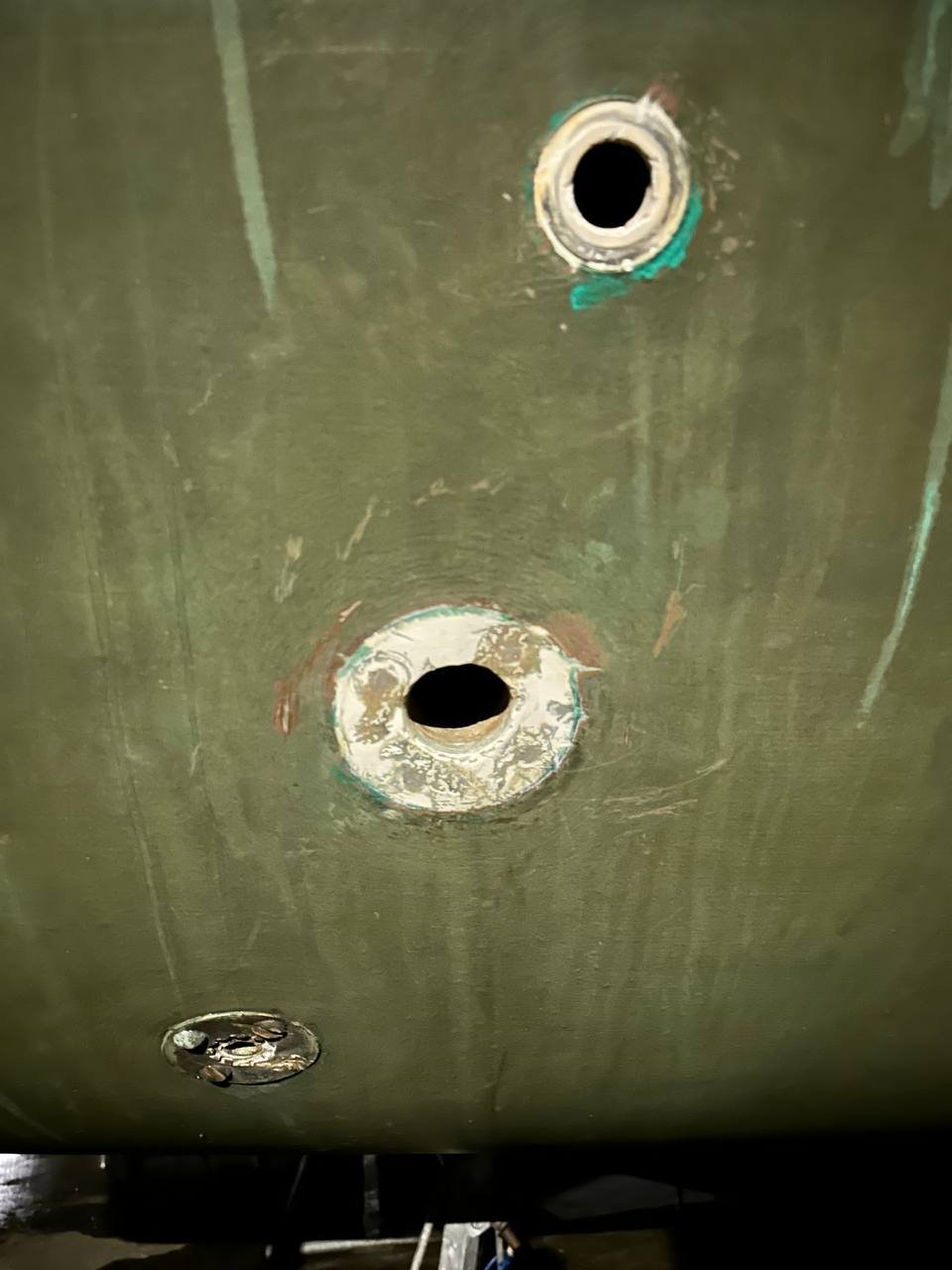
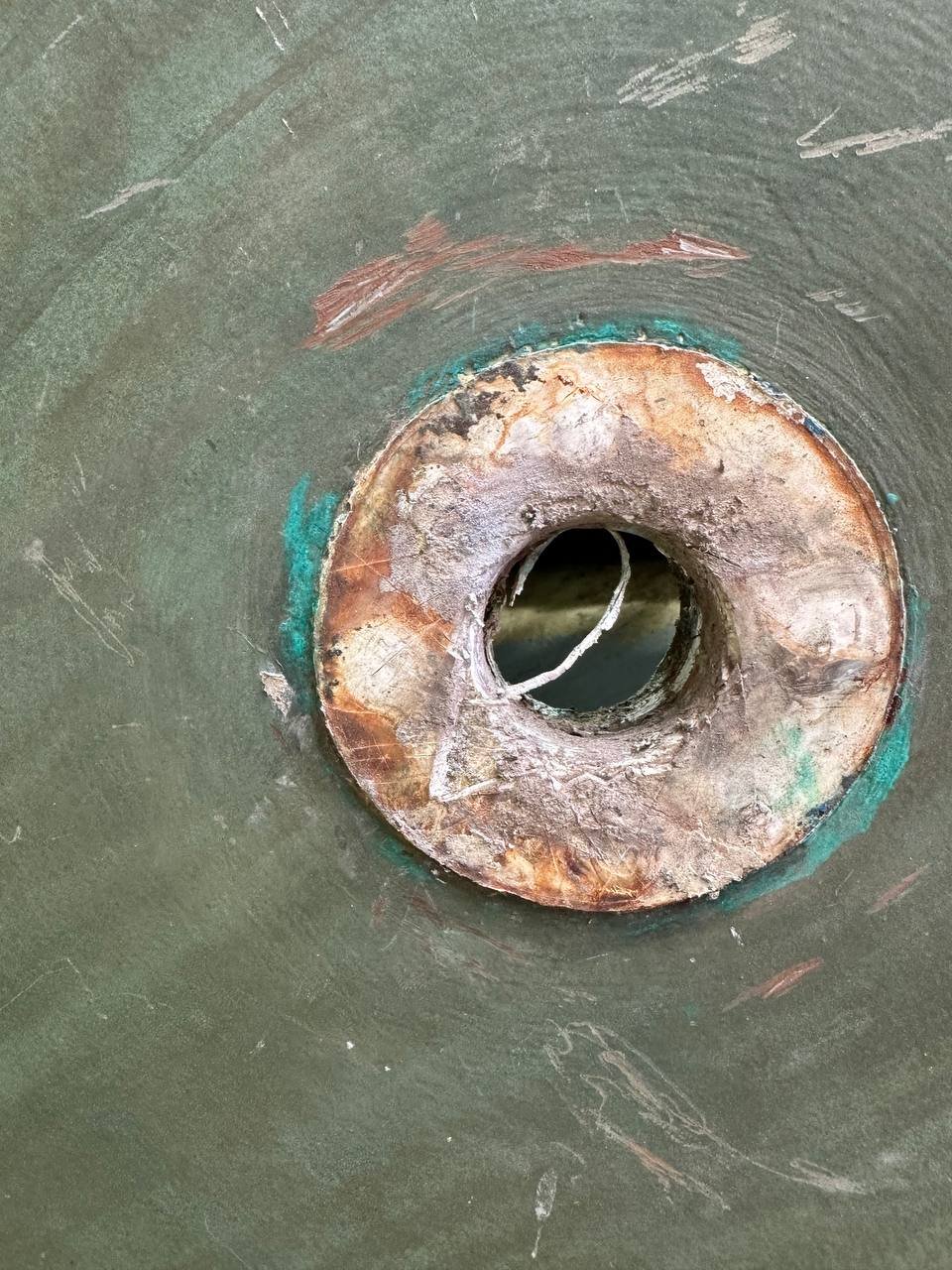
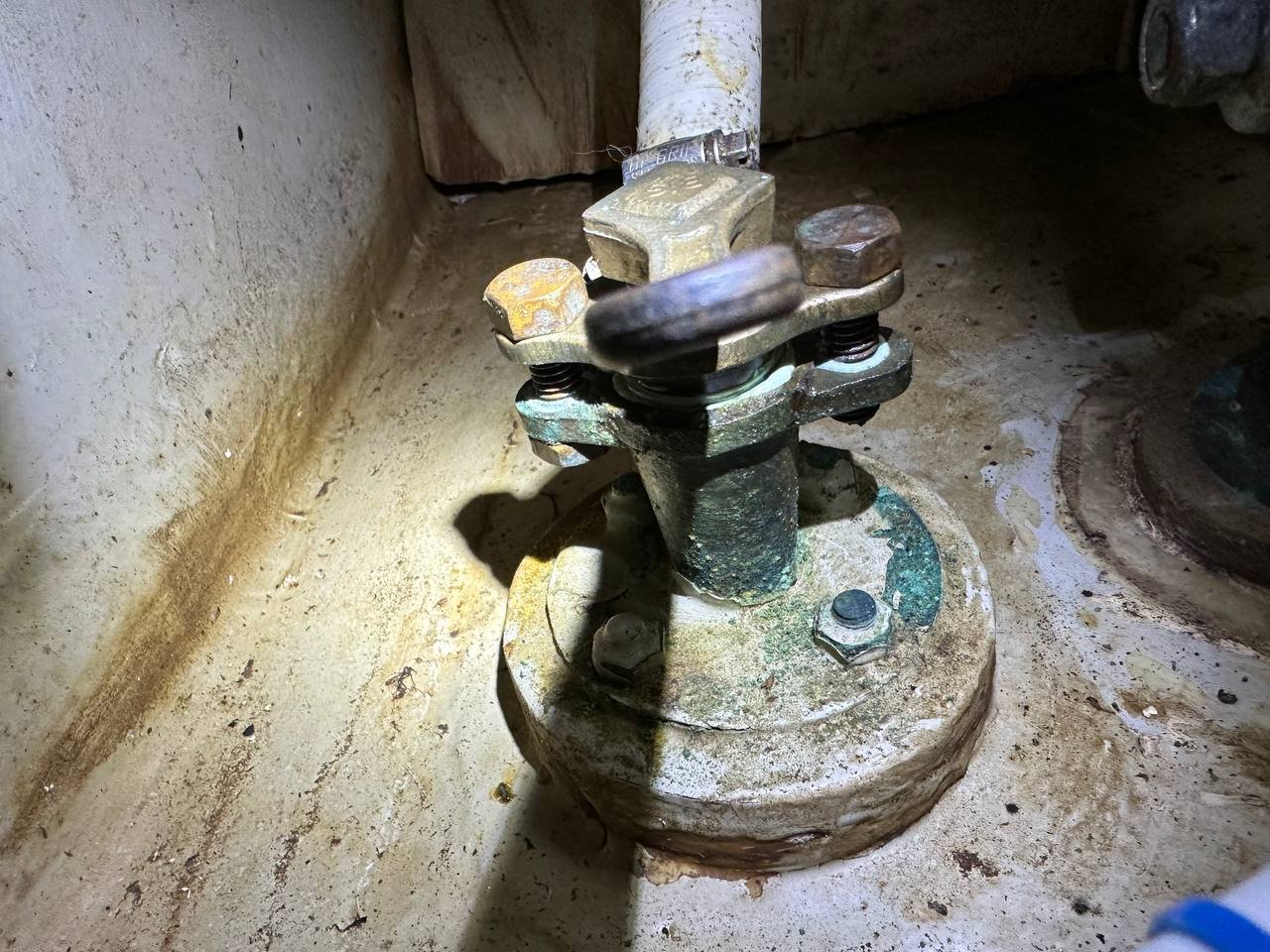
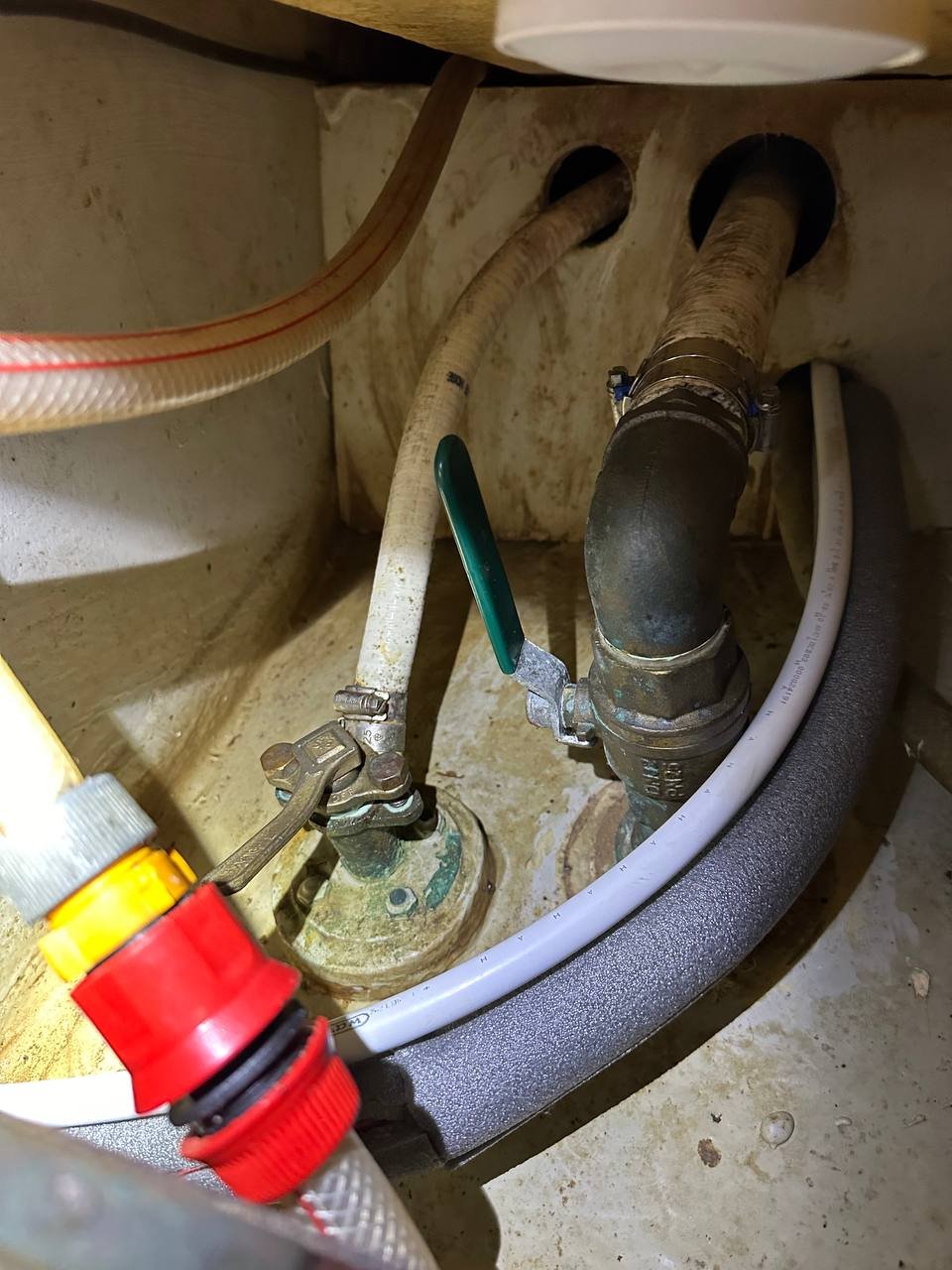
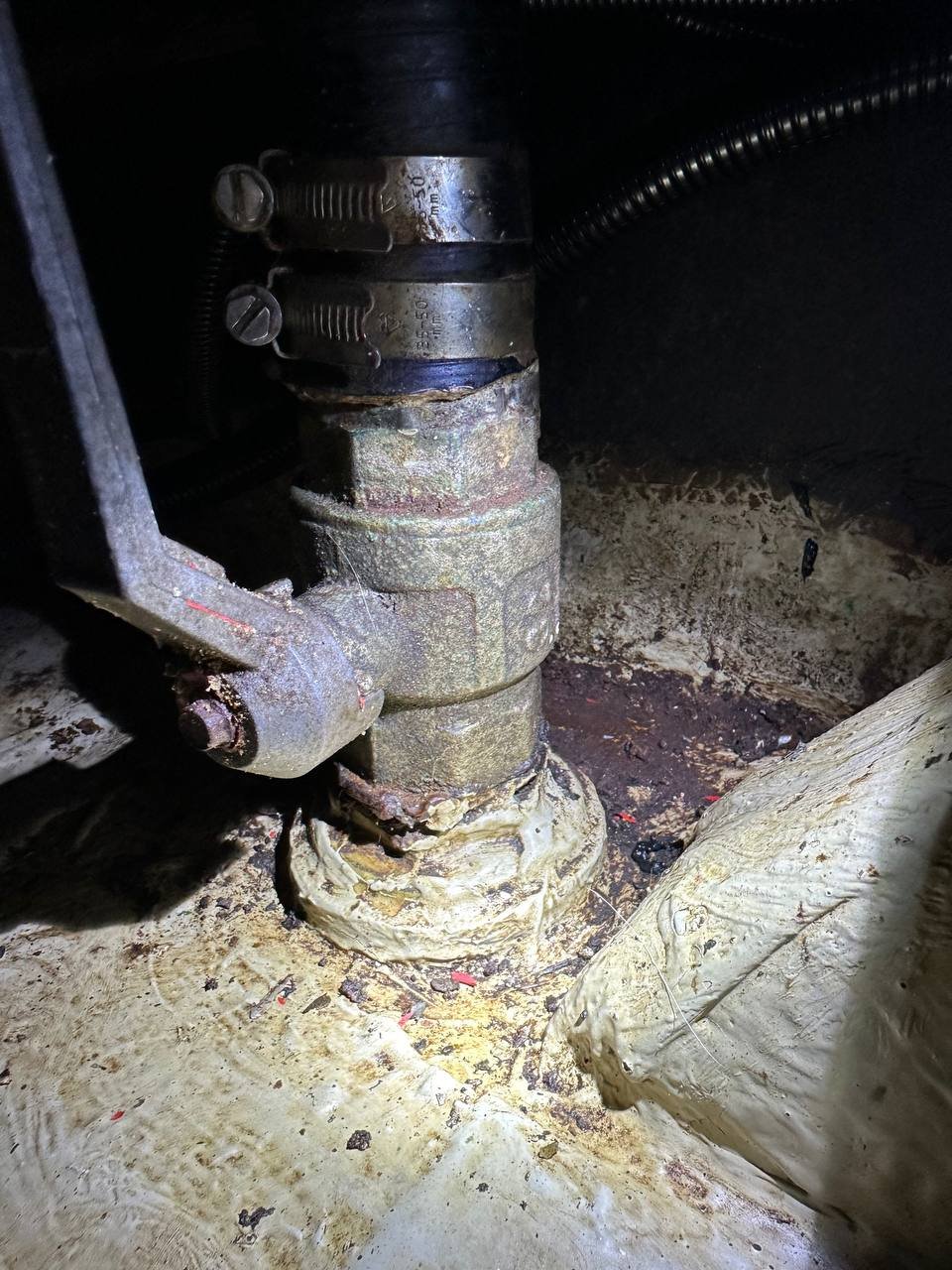
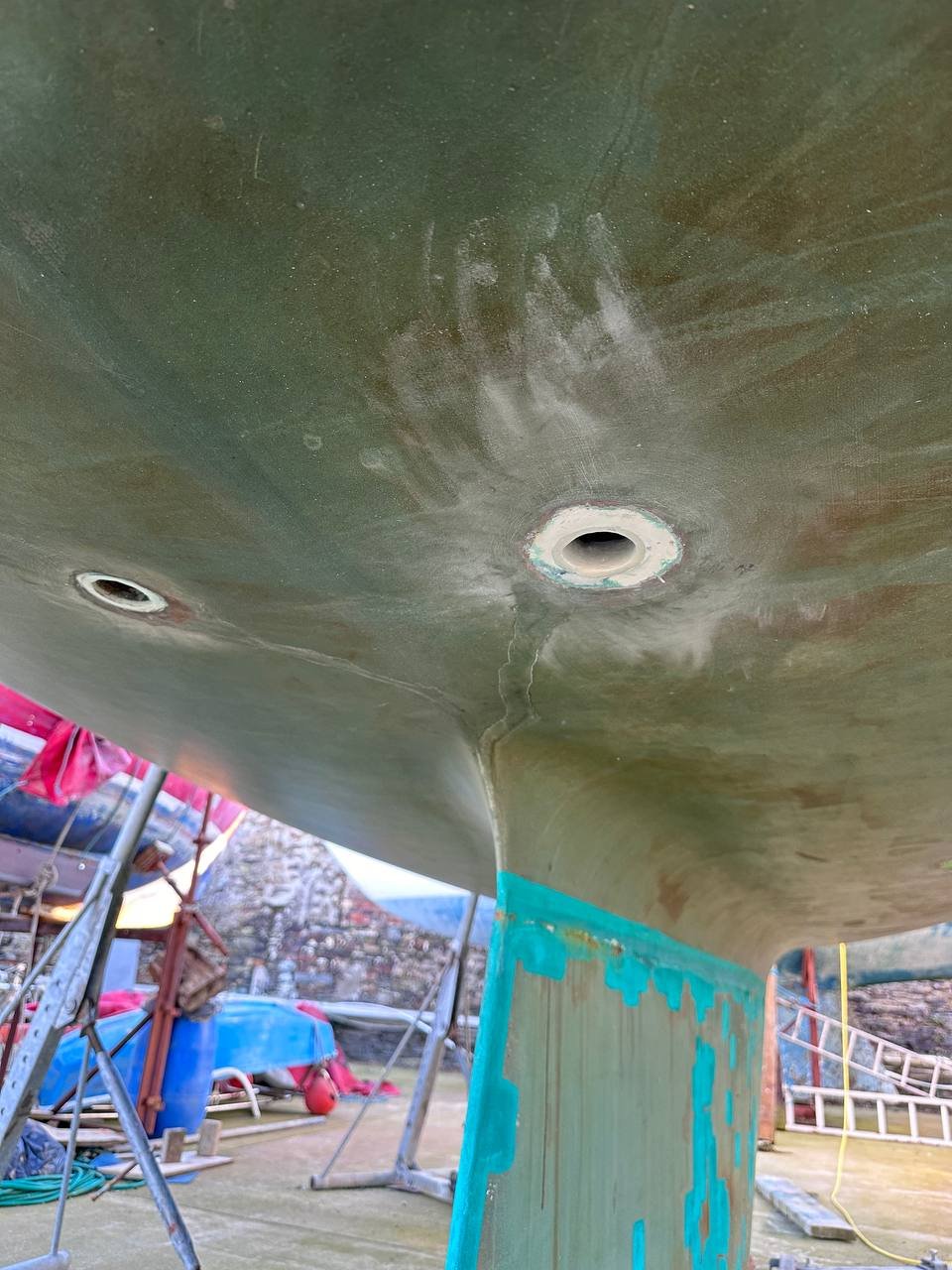
The Oceanlord 41 came with bronze through-hulls and seacocks from the factory in 1987. Over the years, various owners replaced some with different types and brands, so by the time we got to them we had a mixture of original bronze and later replacements - none matching, none in good condition. For non-sailors: a through-hull is a fitting that goes through the hull below the waterline (engine water inlet, toilet outlet, and so on), and a seacock is the valve that opens and closes it. If the valve fails or the fitting corrodes through, you've got a hole in the boat below the waterline. Not good.
Several of our seacocks had handles that barely moved, and the valve bodies showed dezincification - zinc leaching out of the alloy, leaving weak porous copper with pink spots.
Why Trudesign
We chose Trudesign composite fittings for a few reasons:
- No corrosion - the composite doesn't corrode, dezincify, or suffer from electrolysis. No anodes needed, no bonding wires
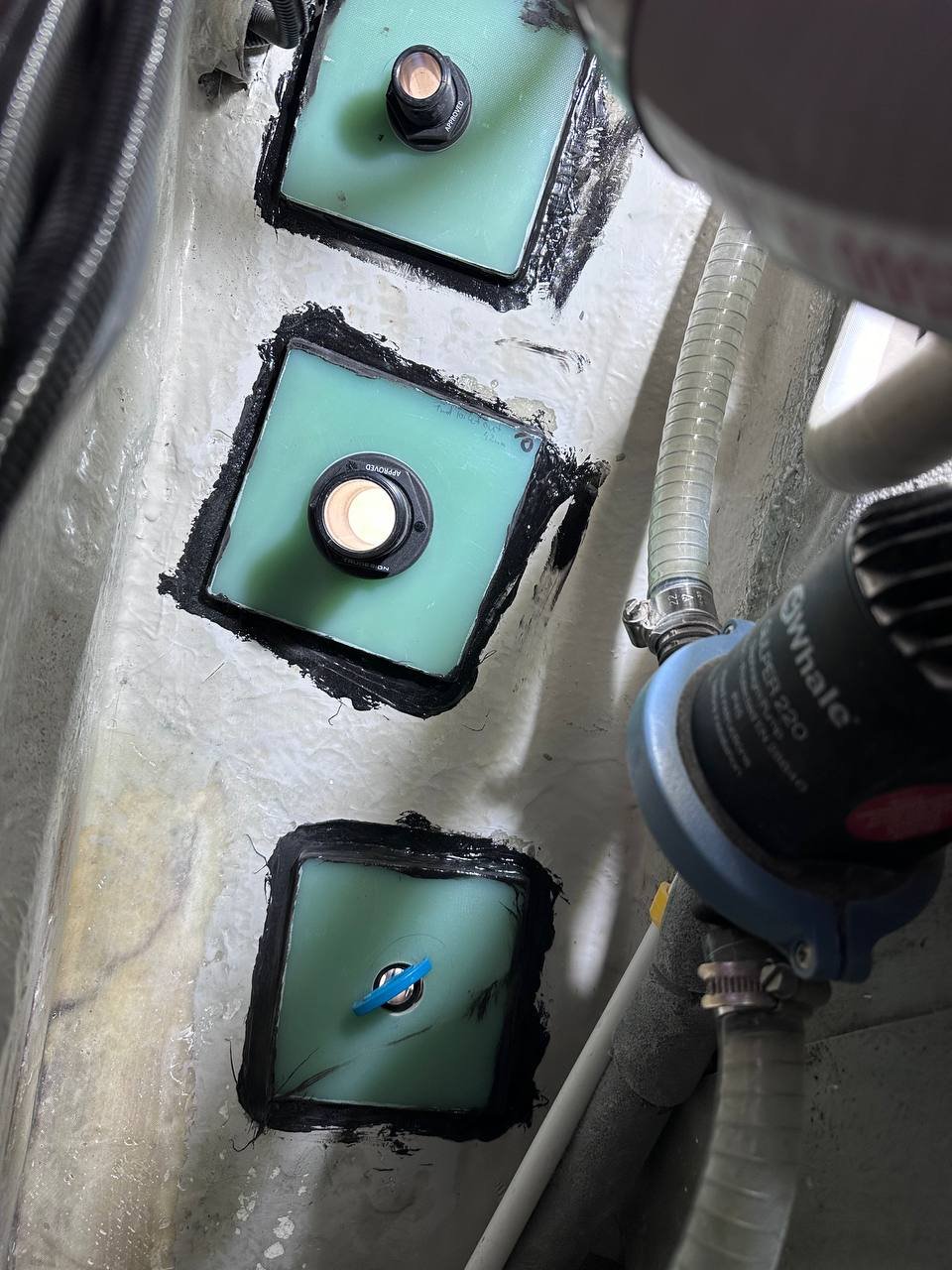
- Load-bearing collar - each skin fitting has a proper collar that spreads the load across the hull instead of just hanging off the thread
- Ball valves with matched hose tails - right diameter and angle for each location, from 19mm to 38mm. No adapters, no bodging
- Open/closed monitoring - four seacocks (engine water inlet, generator water inlet, watermaker inlet, electric head discharge) have sensors wired to a Trudesign valve panel so we can see at a glance whether they're open or closed
Trudesign is used by production boatbuilders (Hanse, for example) and approved by classification societies. The composite is UV-stabilised and rated for temperatures well beyond anything a through-hull will ever see.
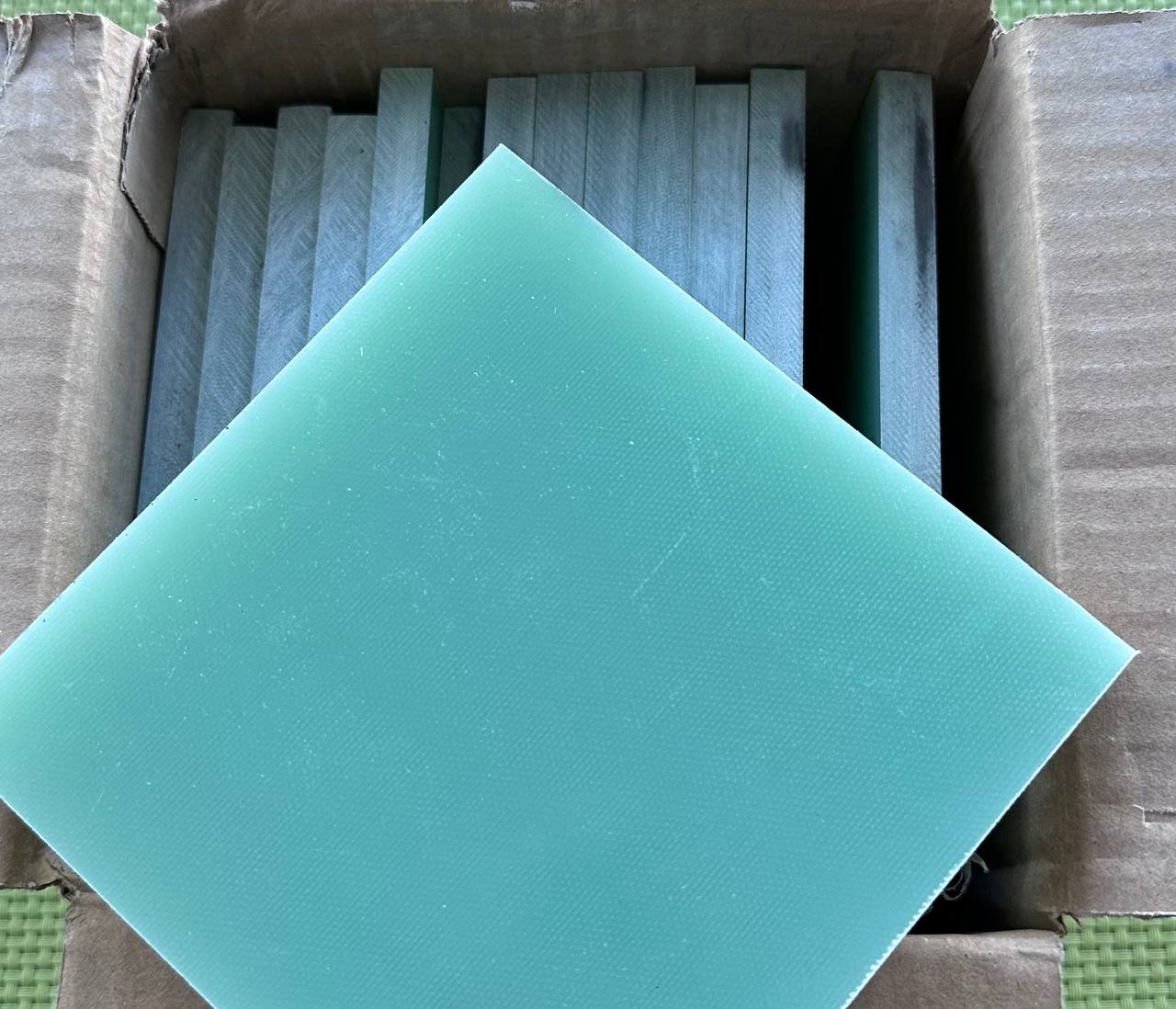
Planning
Thirteen through-hulls means thirteen hose connections, each one different. Every location needed the right hose tail diameter, the right angle (straight, 45-degree, or 90-degree), and the correct skin fitting size for the hull thickness. Some of the old fittings had non-standard threads or had been re-tapped over the years, so we couldn't trust the old dimensions - we had to measure everything.
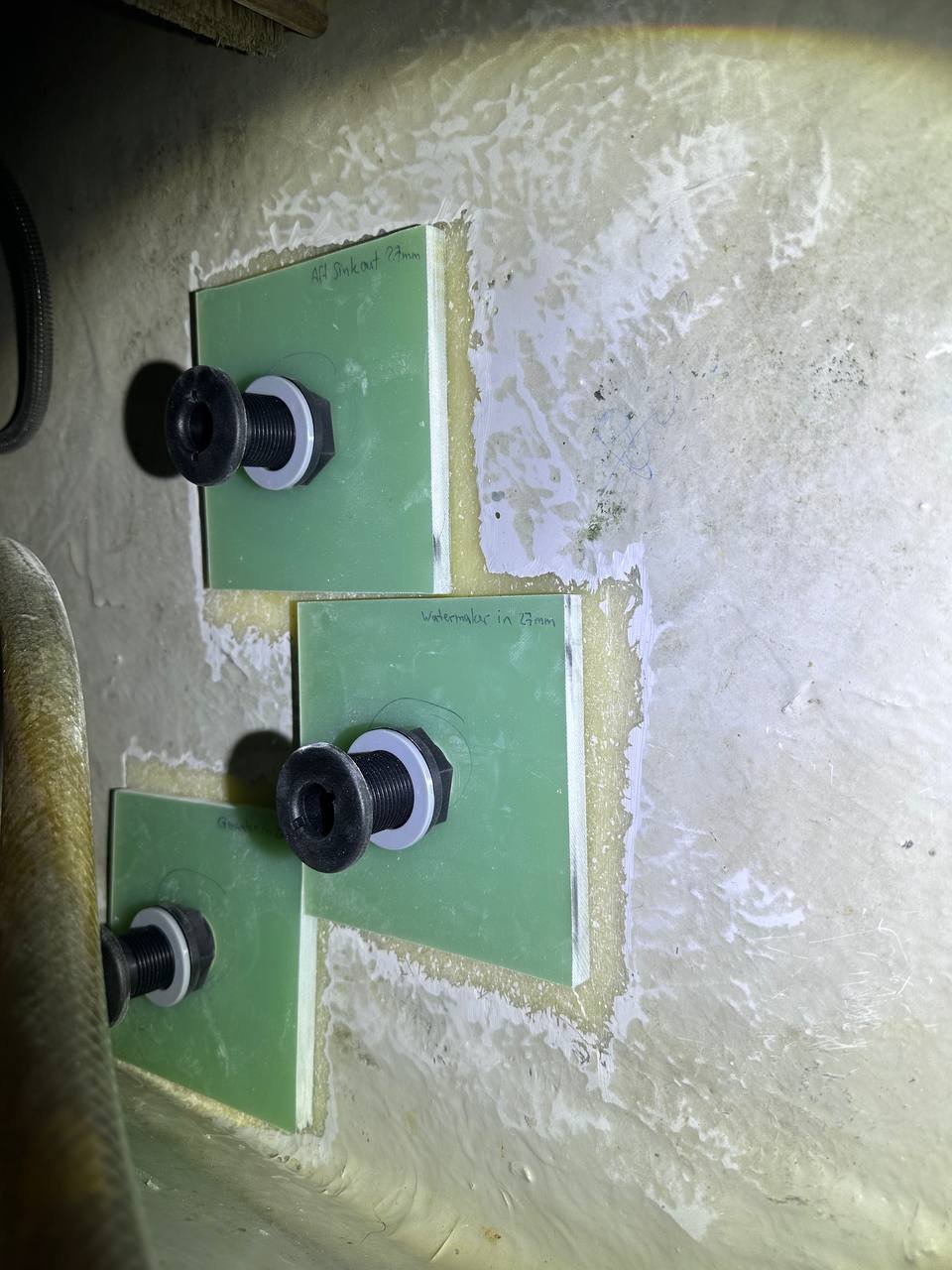
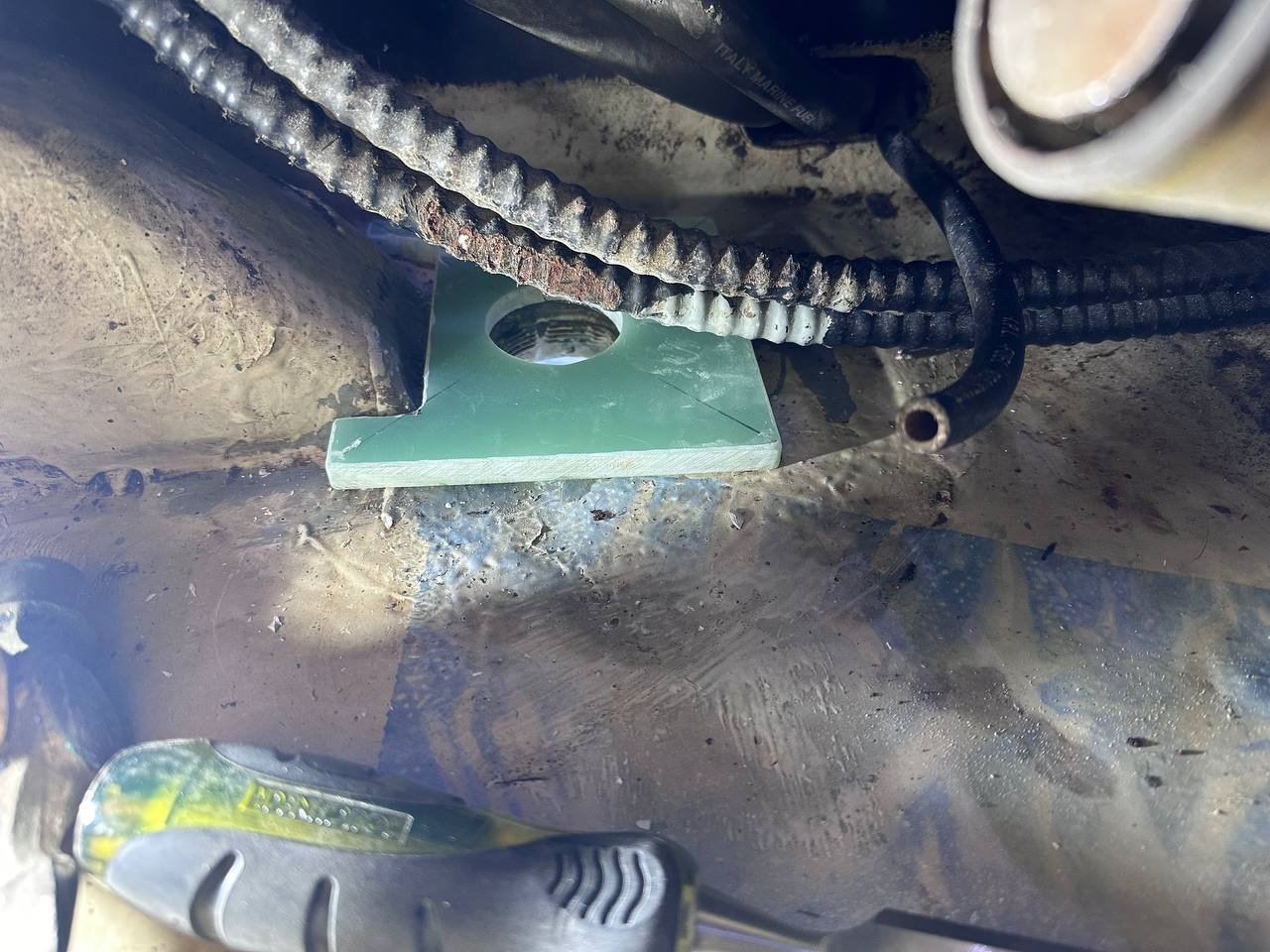
We also replaced the old wooden backing plates with custom-designed composite ones - the wooden originals had been there since 1987 and were showing compression and rot, not what you want clamping a below-waterline hole.
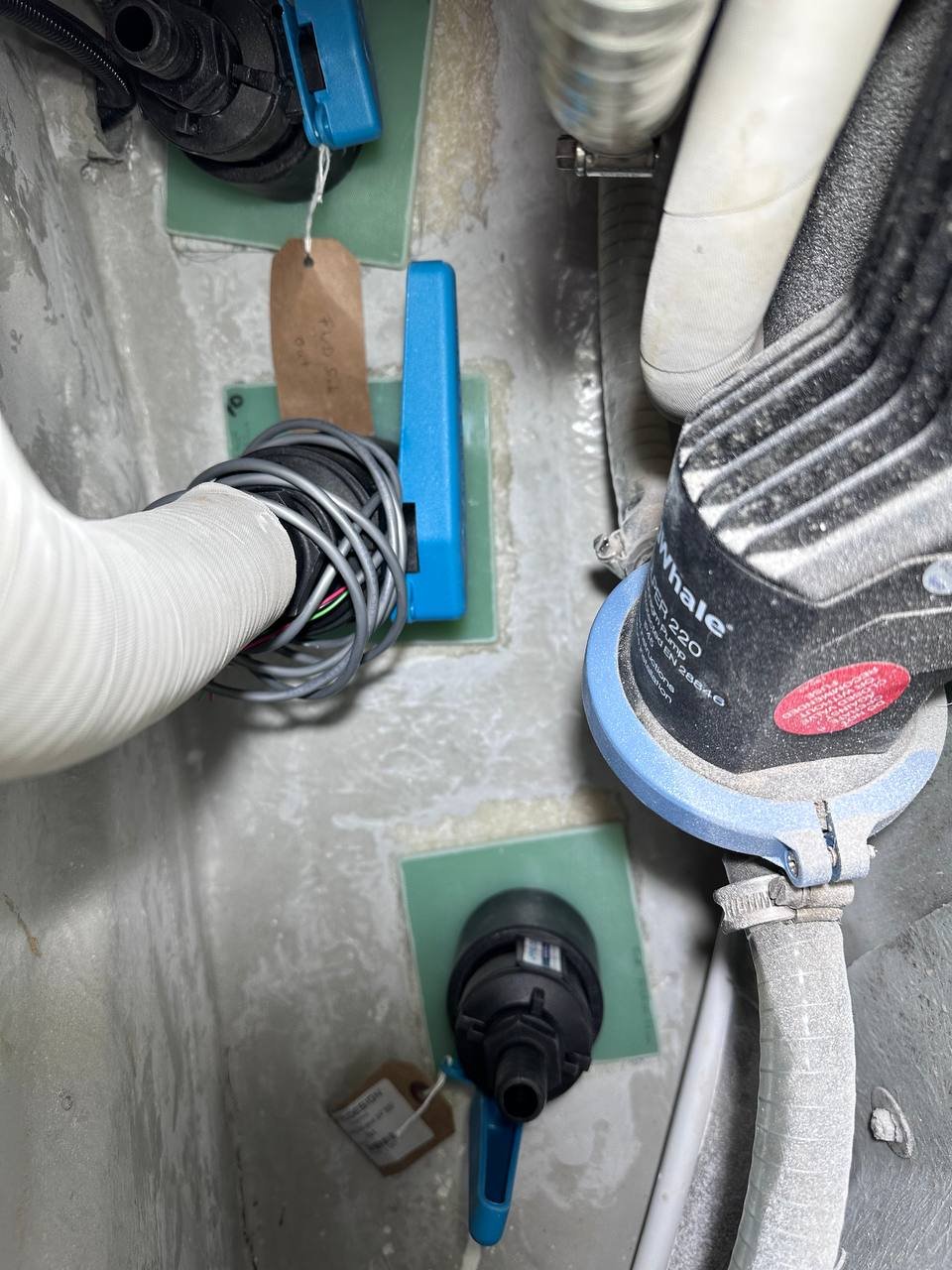
Every fitting got labelled with its function and size during installation - Watermaker inlet 23mm, Aft sink drain, and so on - so there's no guessing which seacock controls which system.
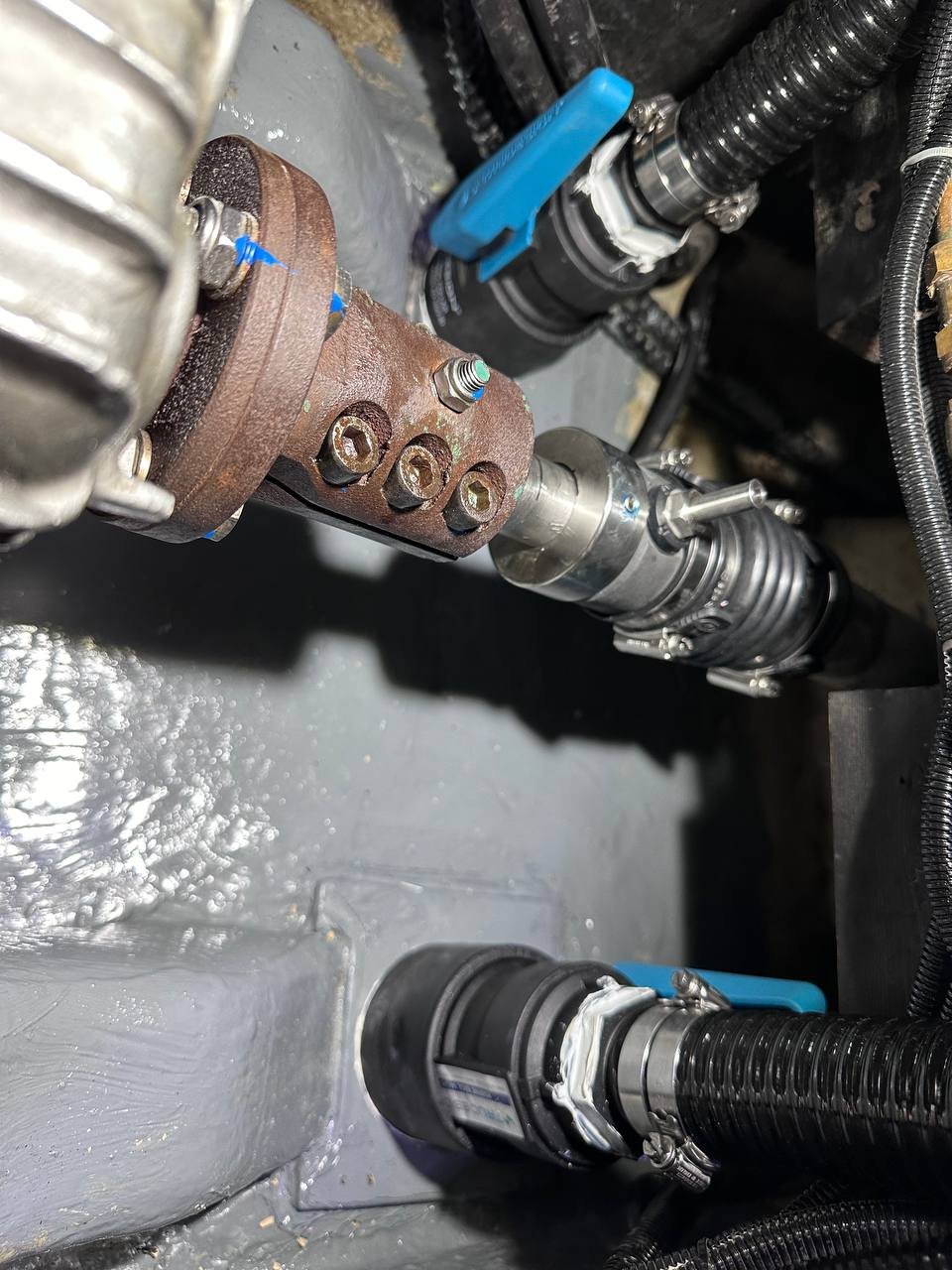
Getting the Old Ones Out
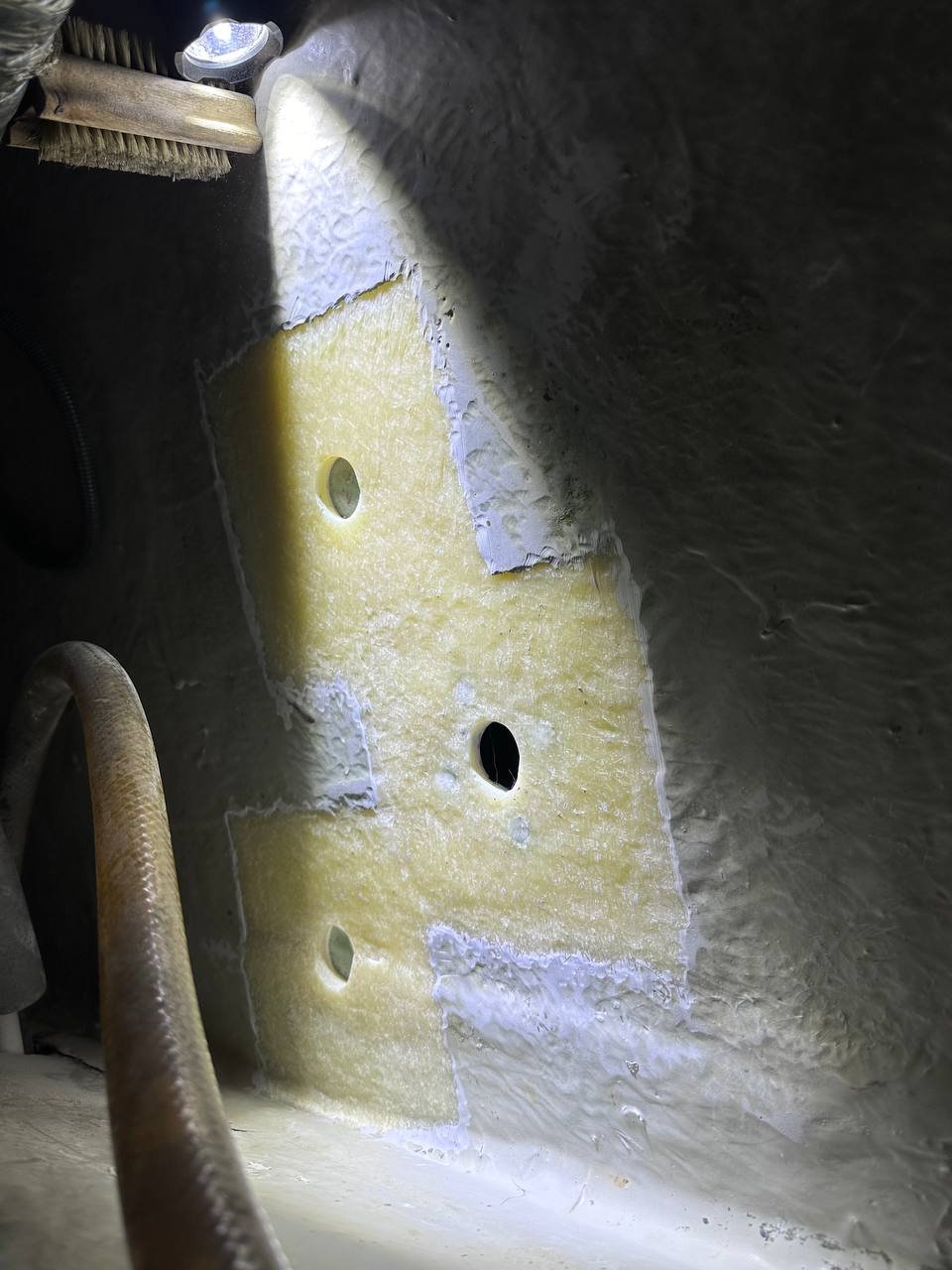
This was the hard part. Old bronze fittings bedded in decades-old sealant don't come out willingly. Several needed a heat gun to soften the sealant, then careful work with wrenches and extraction tools.
The real challenge was access. Many of the through-hulls on an Oceanlord 41 are in tight spaces - below floorboards, behind tanks, in remote corners where you can barely reach, let alone swing a wrench. Working alone in a cramped bilge with a torch in your teeth comes with the territory.
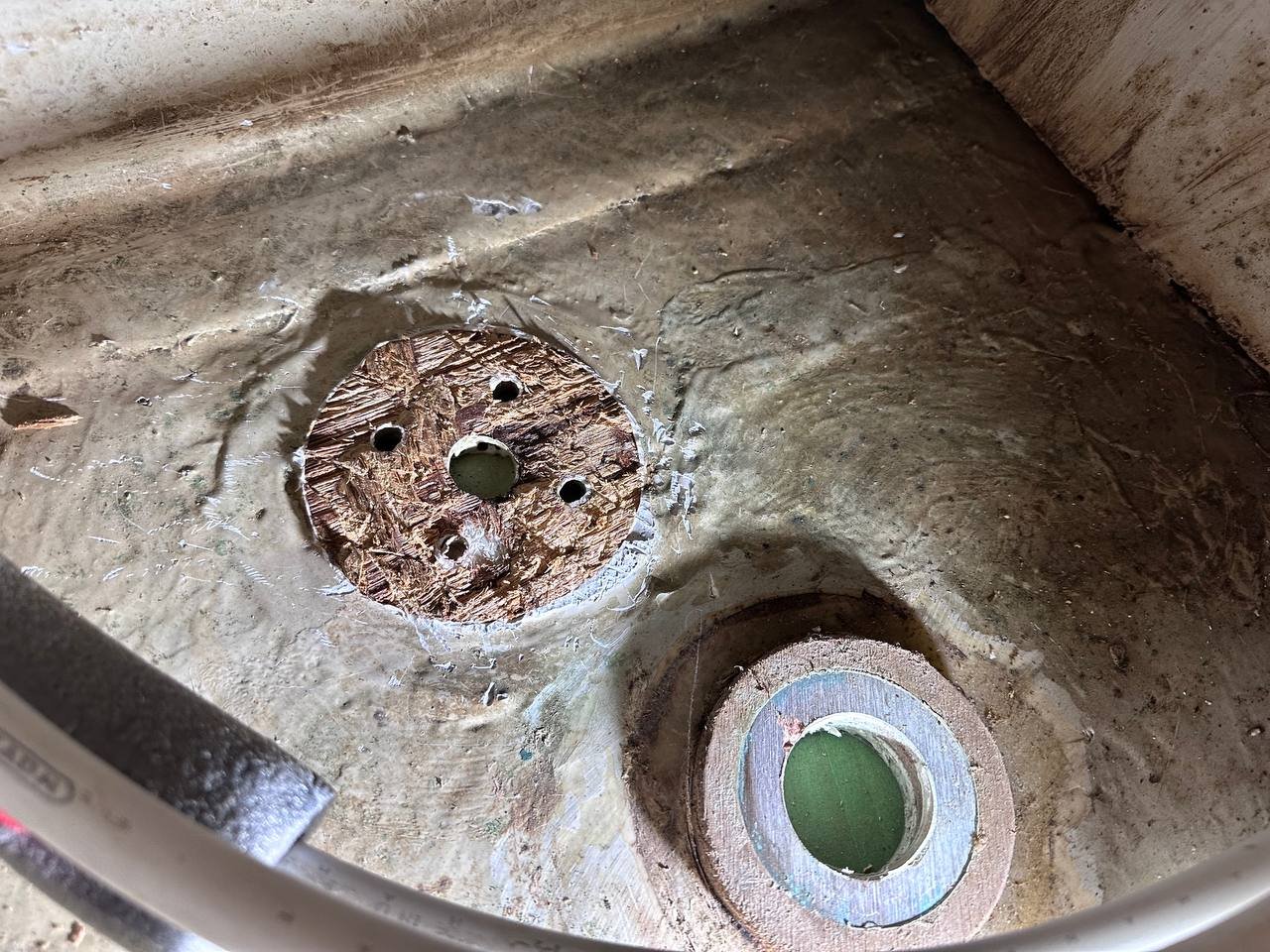
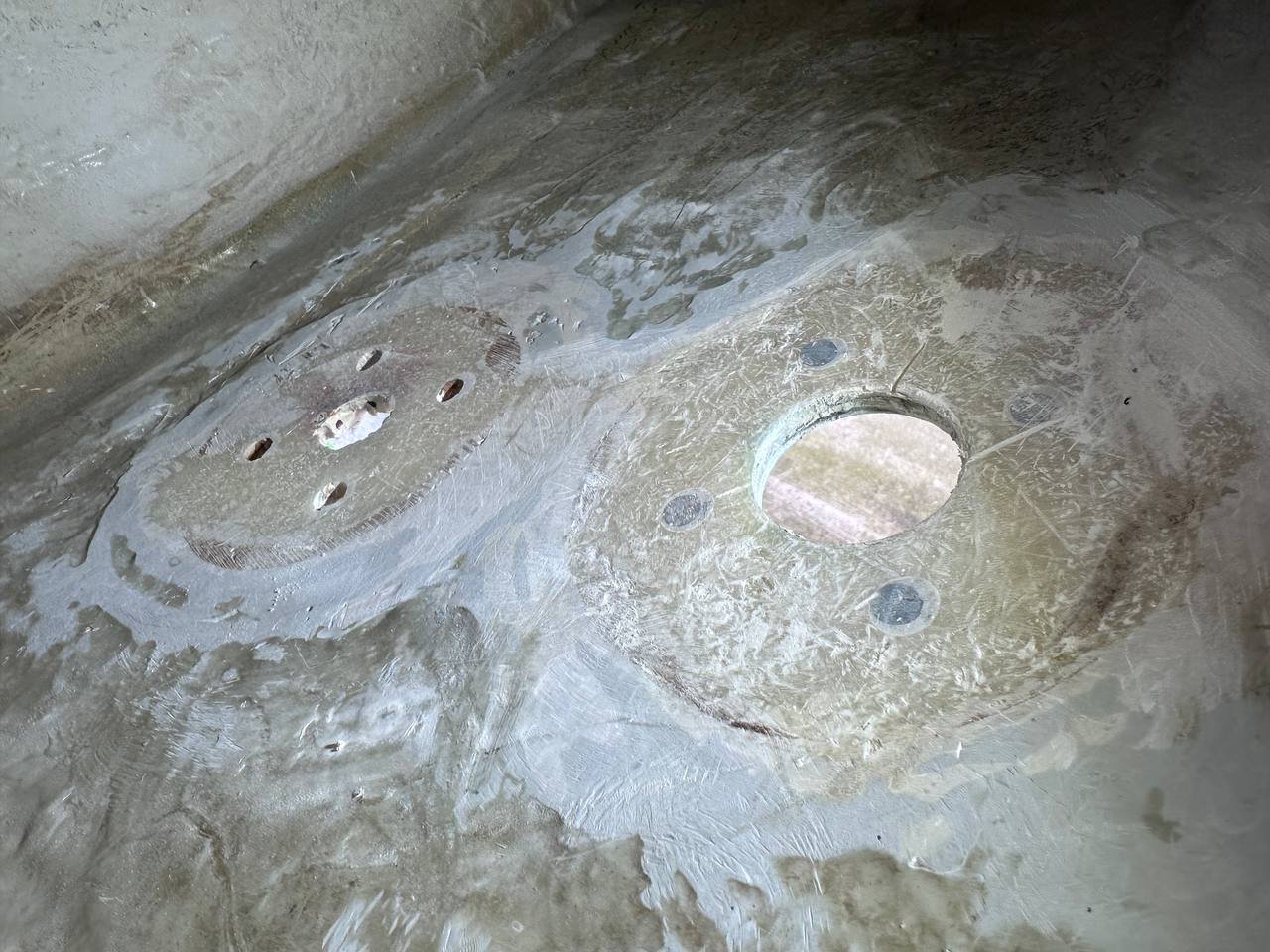
Installation
Old fittings out, hull surfaces prepped, new composite fittings went in. Each through-hull was bedded in sealant with the load-bearing collar spreading clamping force across the hull. Custom composite backing plates replaced the wooden originals, and each ball valve connected to its hose tail.
Four seacocks got open/closed monitoring sensors wired to a Trudesign valve panel - engine water inlet, generator water inlet, watermaker inlet, and the electric head discharge. At a glance, we can see which below-waterline seacocks are open.
The Result
Thirteen new composite through-hull fittings, thirteen new ball valves, custom-designed backing plates, and four seacocks with open/closed monitoring. No more corroded bronze, no more seized valves, no more guessing whether a seacock is actually open or closed.