Fishguard, Skomer und Milford Haven

Eine ruppige Überfahrt, eine tropfende Luke, über fünfzigtausend Papageientaucher, unsere erste Schleuse, eine reparierte Steuerung und ein Schaufelraddampfer. Sieben Tage, die uns einmal quer entlang der walisischen Westküste führten – von einsamen Ankerbuchten bis zurück in die Zivilisation.
Kurz vor Sonnenaufgang lösten wir in Pwllheli die Leinen. Die Cardigan Bay begrüßte uns mit einer unruhigen See, und es dauerte nicht lange, bis wir uns unsere Seebeine wieder erarbeiten mussten.
Die Überquerung der Cardigan Bay ist allerdings nicht nur eine Frage des Wetters. Große Teile der Bucht dienen als militärisches Übungs- und Schießgebiet. Deshalb hatten wir am Vortag bei der Range Control angerufen, um zu erfahren, wann wir passieren konnten und ob sie während unserer Überfahrt ein Auge auf uns haben würden. Auch deshalb klingelte der Wecker an diesem Morgen besonders früh.
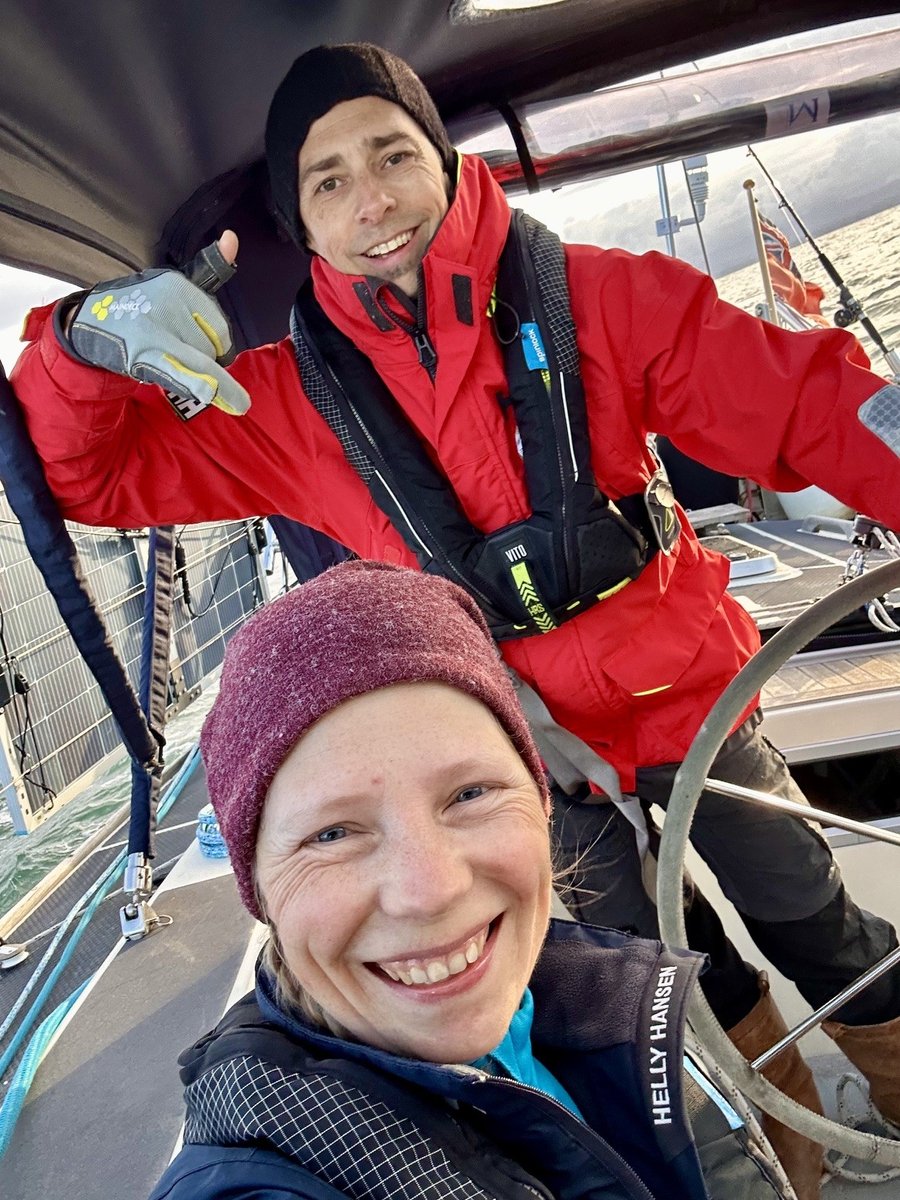
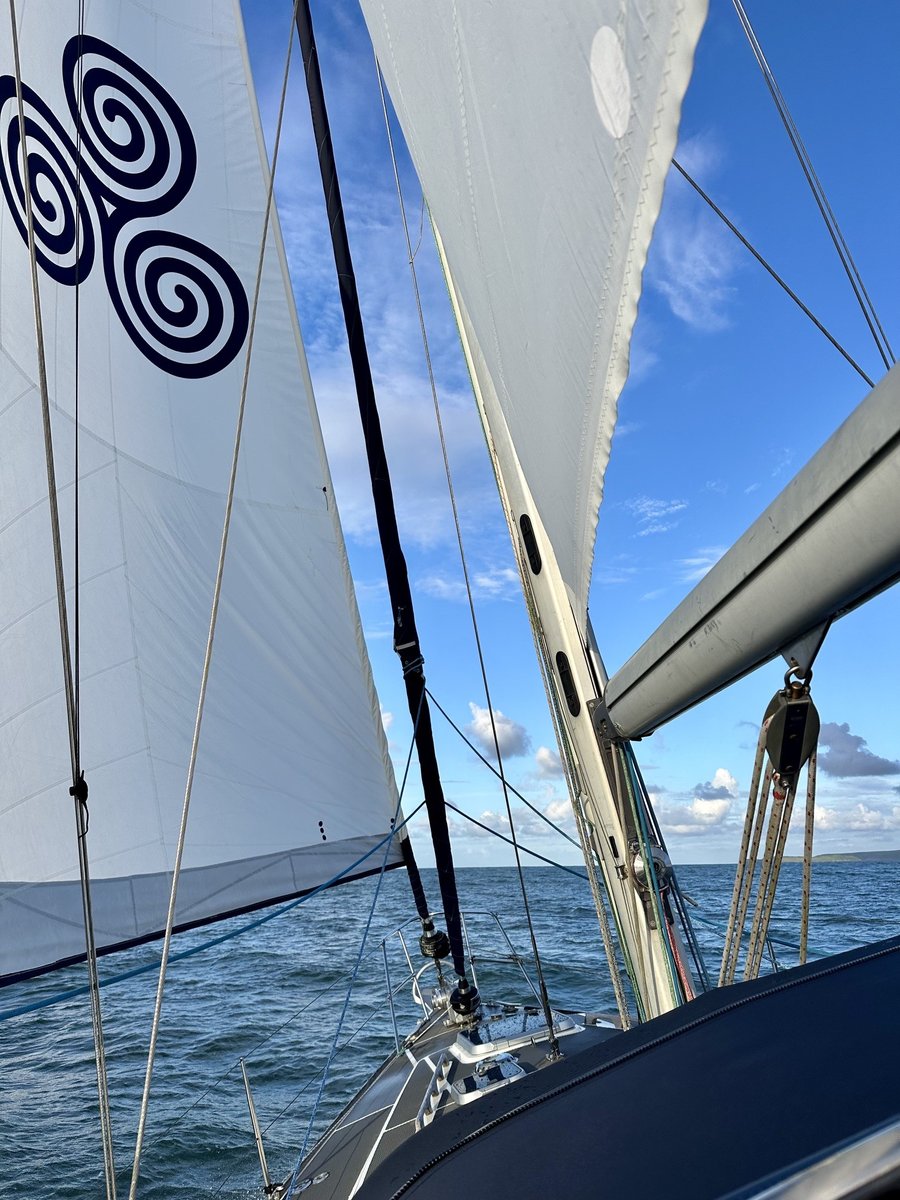
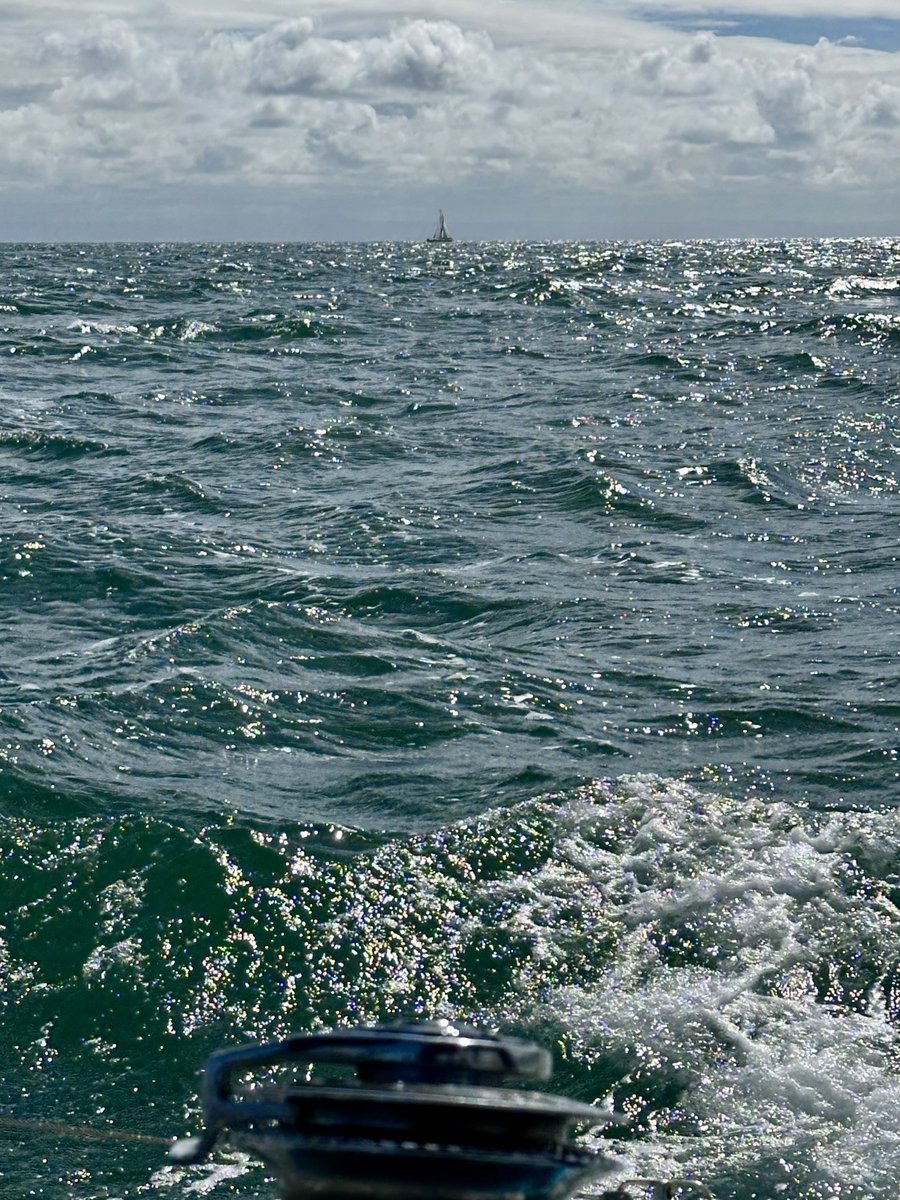
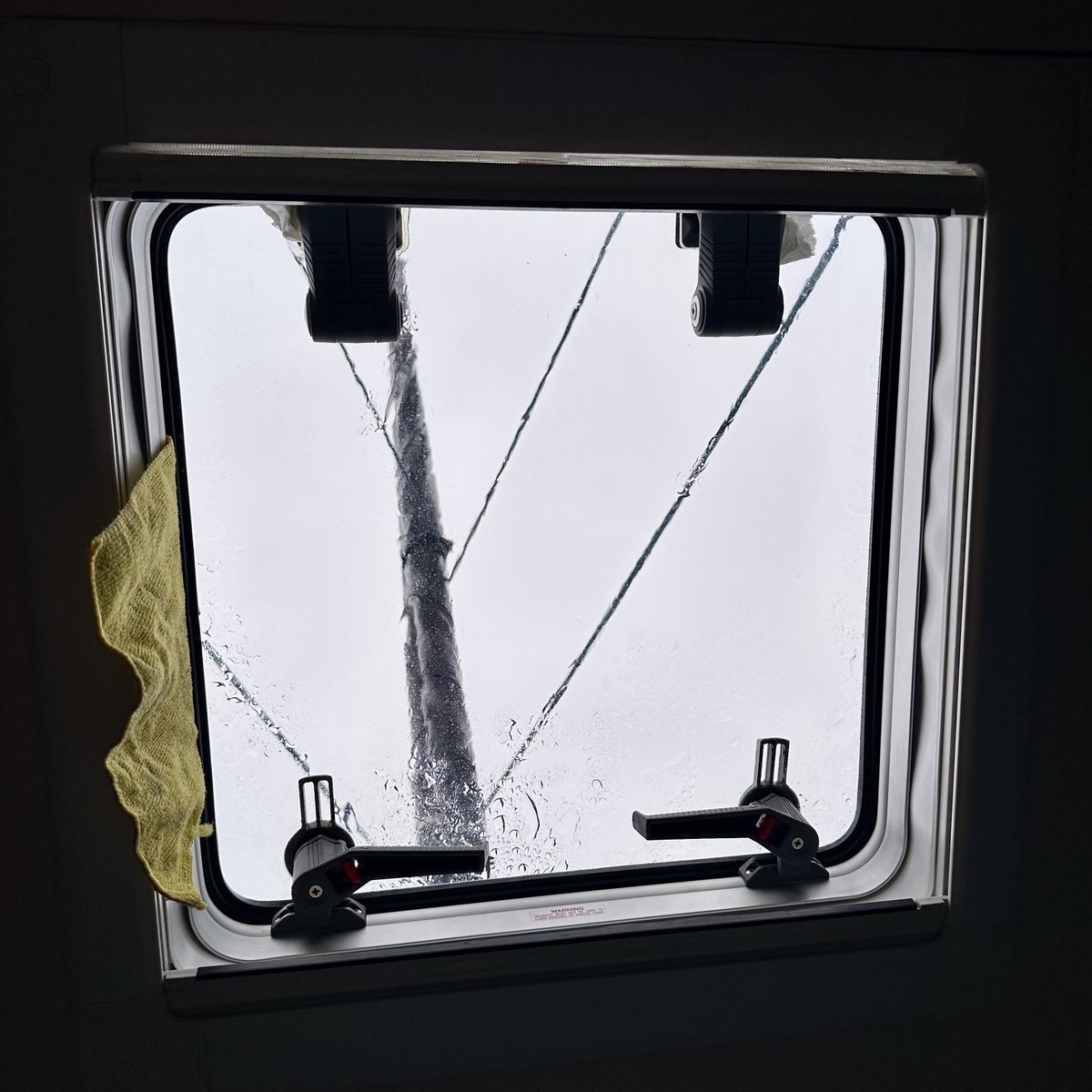
Als wir Fishguard erreichten, waren wir müde und ziemlich nass. Irgendwo unterwegs hatte die Vorschiffsluke angefangen zu tropfen, und unser Bett war inzwischen feucht und salzig. Zum Glück kam genau in dem Moment die Sonne heraus, als wir unterhalb von Fishguard Fort den Anker fallen ließen. Die Luke musste warten – jetzt wollten wir erst einmal ankommen. Die Wettervorhersage hatte unsere nächsten Tage ohnehin schon entschieden. St David's Head lief uns nicht davon - also blieben auch wir erst einmal hier.
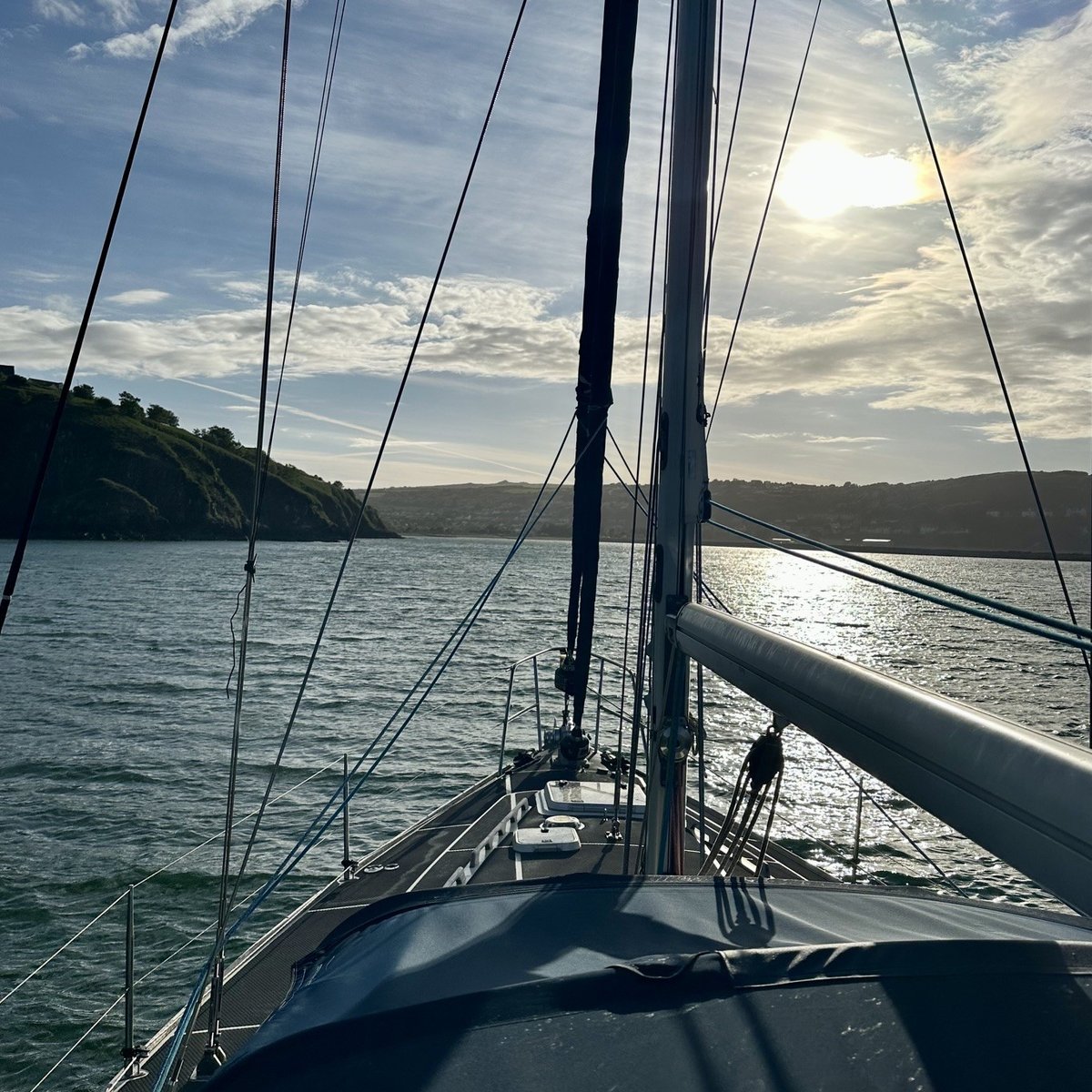
Bara Brith und eine tropfende Luke
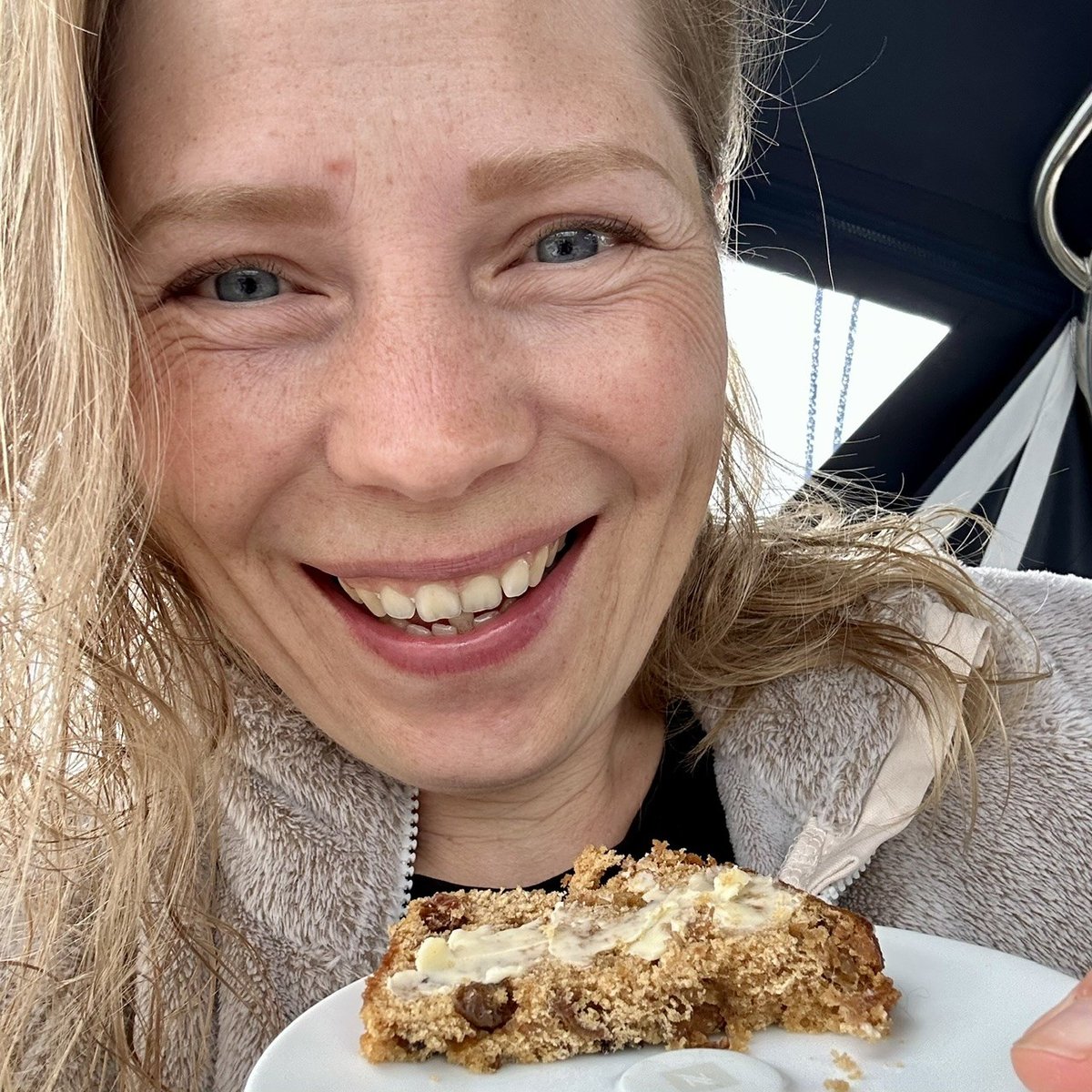
In der Nacht zeigte die Luke endgültig, dass sie doch nicht ganz dicht war. Als morgens der Regen aufs Deck trommelte, tropfte es auch bei uns in der Vorschiff Kabine. Mit einem Kaffee und einem Stück Bara Brith unter dem Cockpitverdeck sah die Welt schon wieder deutlich freundlicher aus.
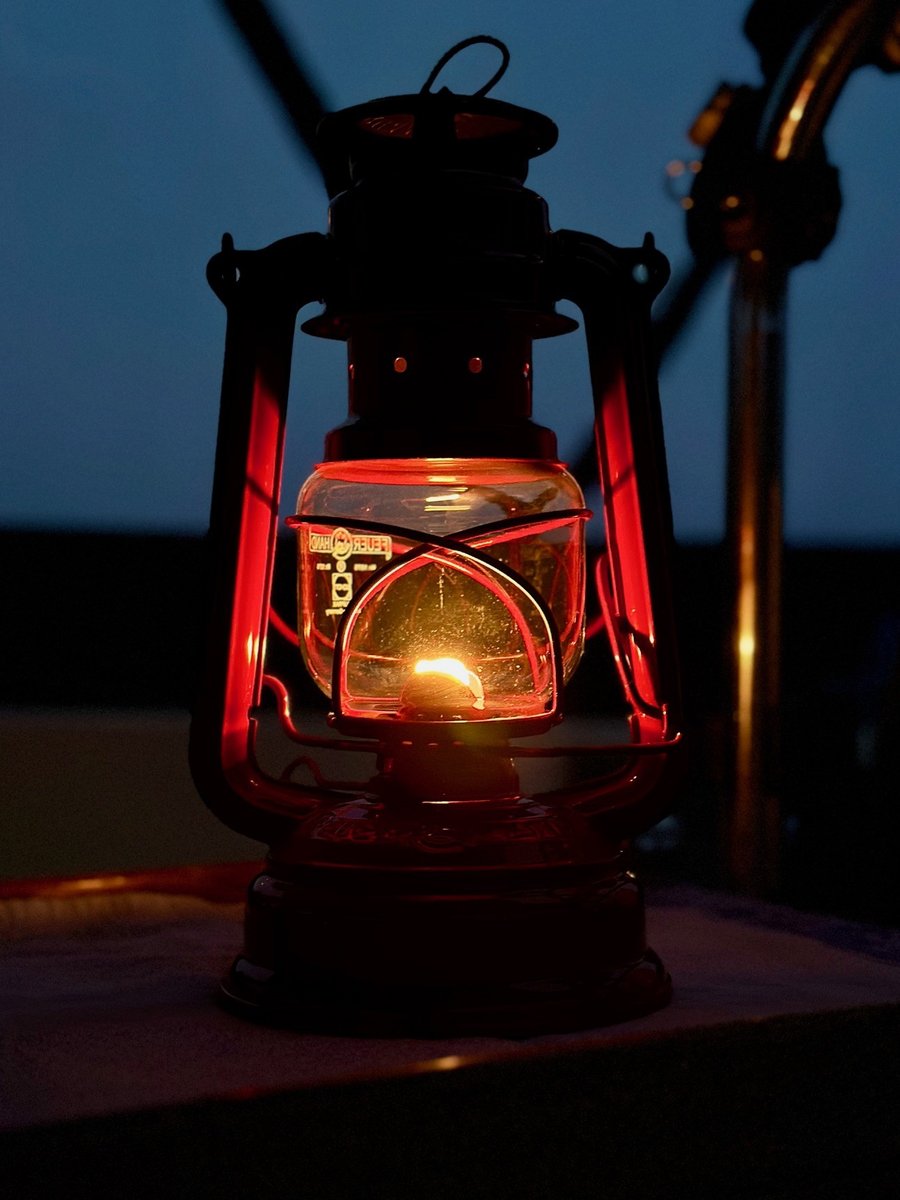
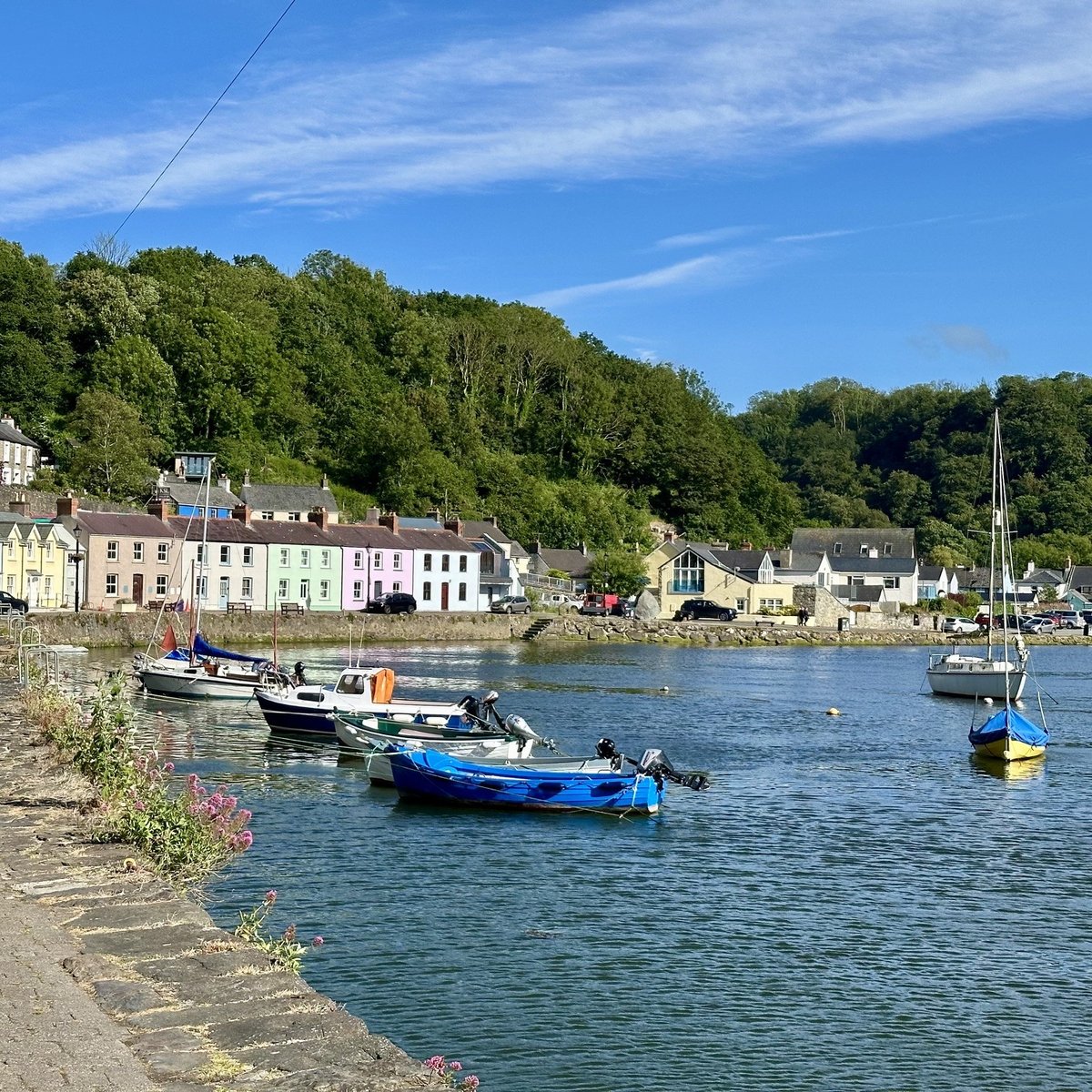
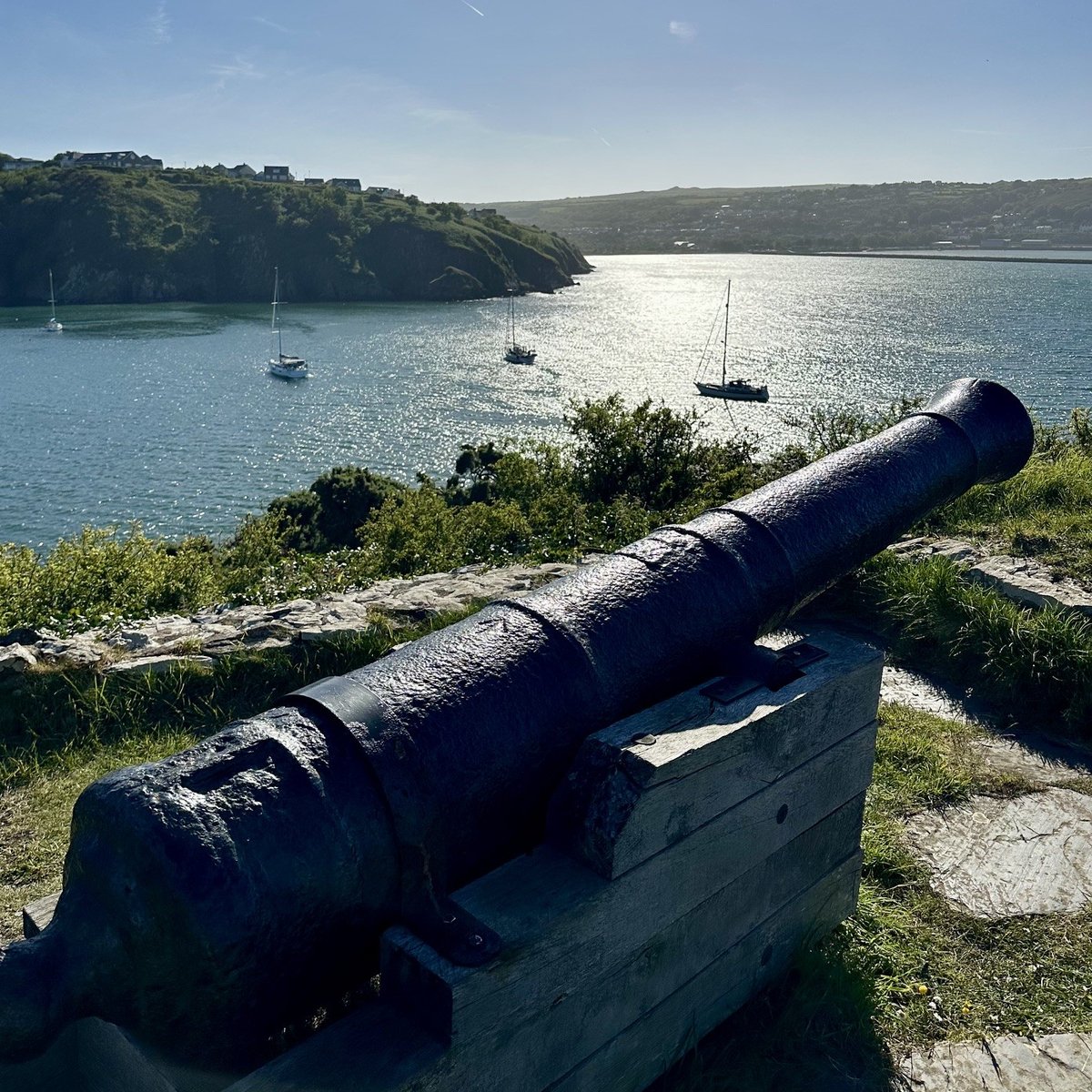
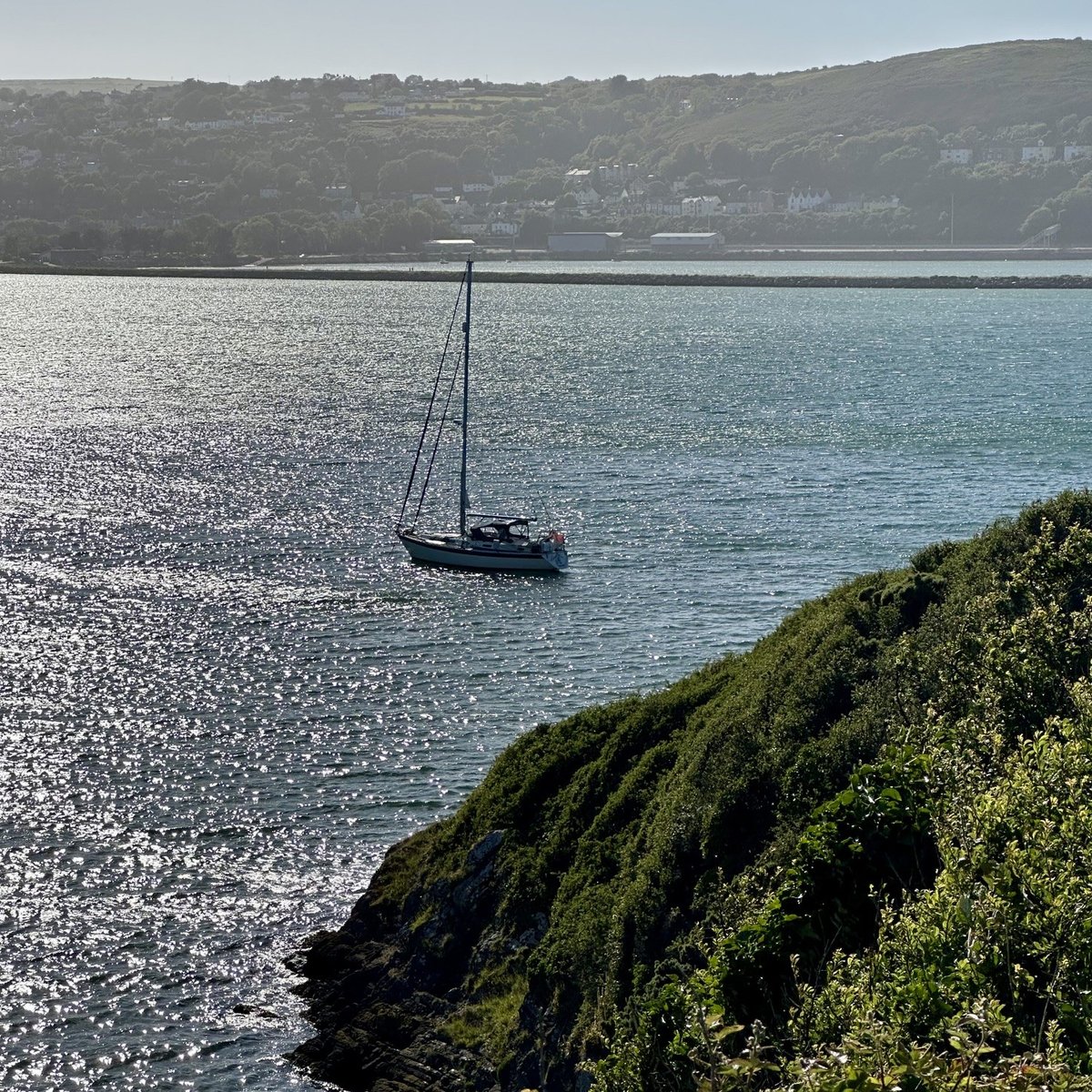
Als das Wetter endlich besser wurde, setzten wir mit dem Dinghy nach Lower Town über. Mit dem kleinen Elektromotor zog sich die Fahrt zwar etwas, doch sie lohnte sich. Von dort liefen wir hinauf zum Fishguard Fort, dessen alte Kanonen noch heute über die Bucht wachen. Gebaut wurde die Festung nach der letzten Invasion Großbritanniens im Jahr 1797, als französische Truppen am nahegelegenen Carregwastad Point an Land gingen. Von den Wehrmauern konnten wir Lagertha friedlich vor Anker liegen sehen. Am Abend ließen wir den Tag bei einem Getränk im Yacht Club ausklingen. Zwei ruhige Tage vergingen erstaunlich schnell, bis uns die Wettervorhersage endlich das ersehnte Wetterfenster schenkte.
Zweiundfünfzigtausend Papageientaucher
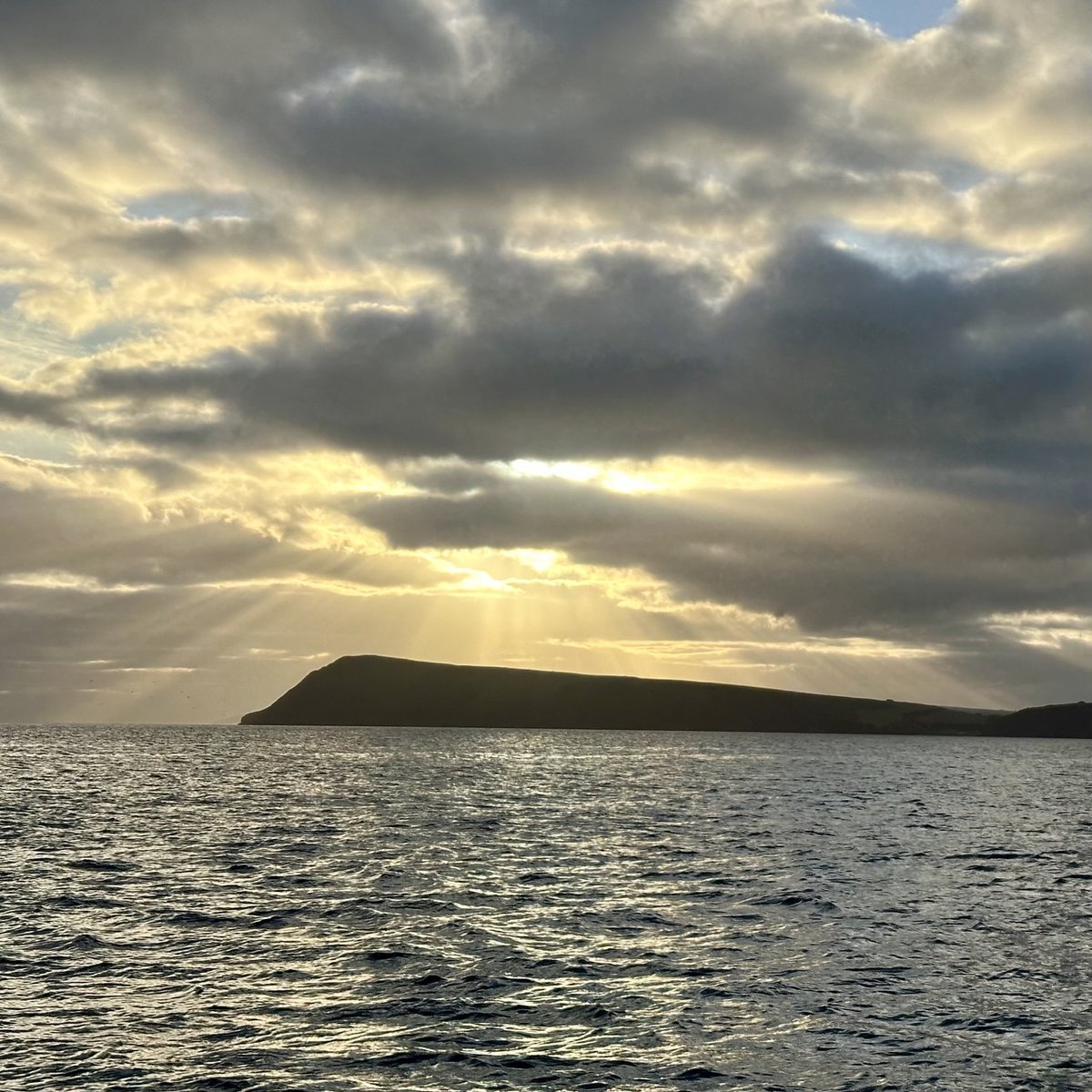
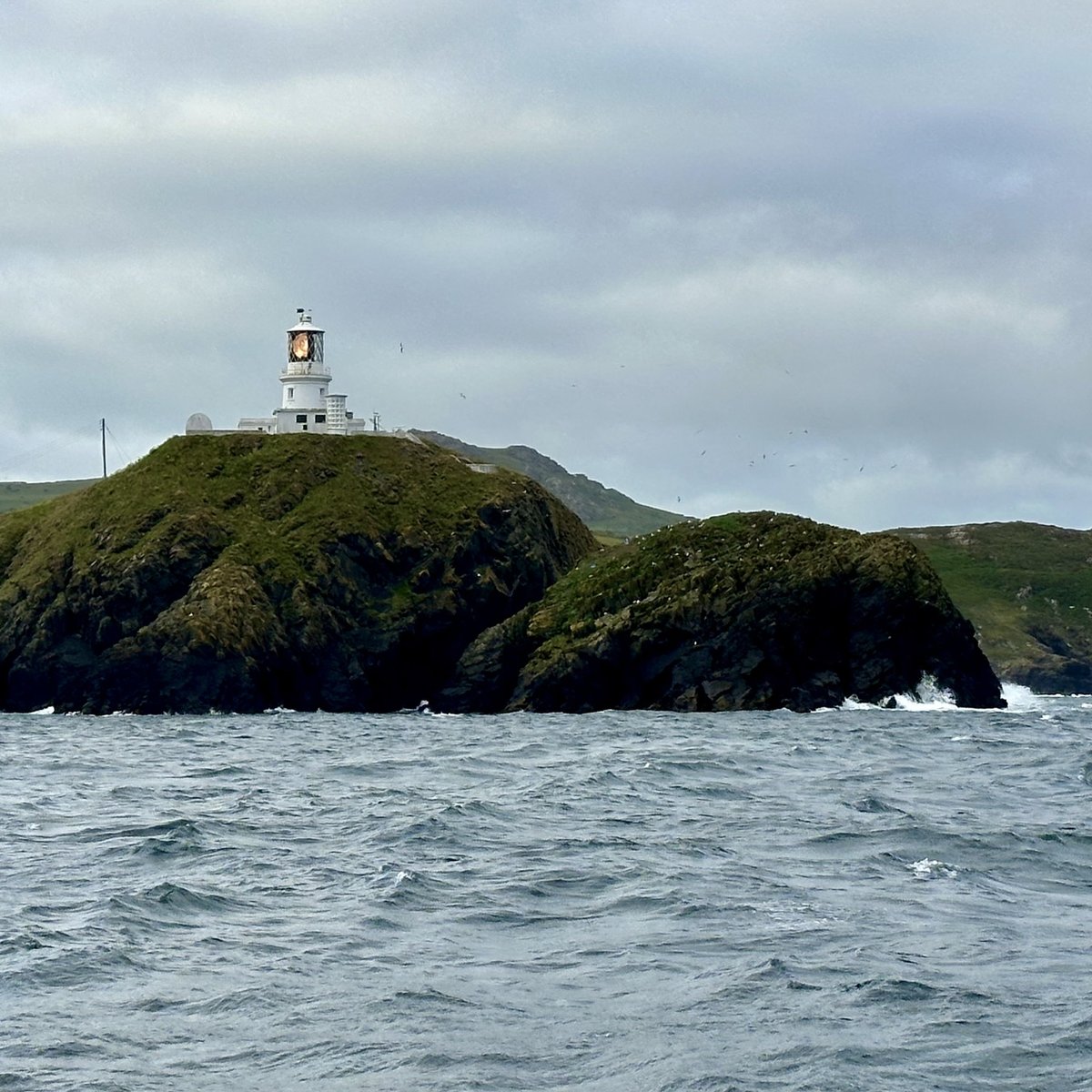
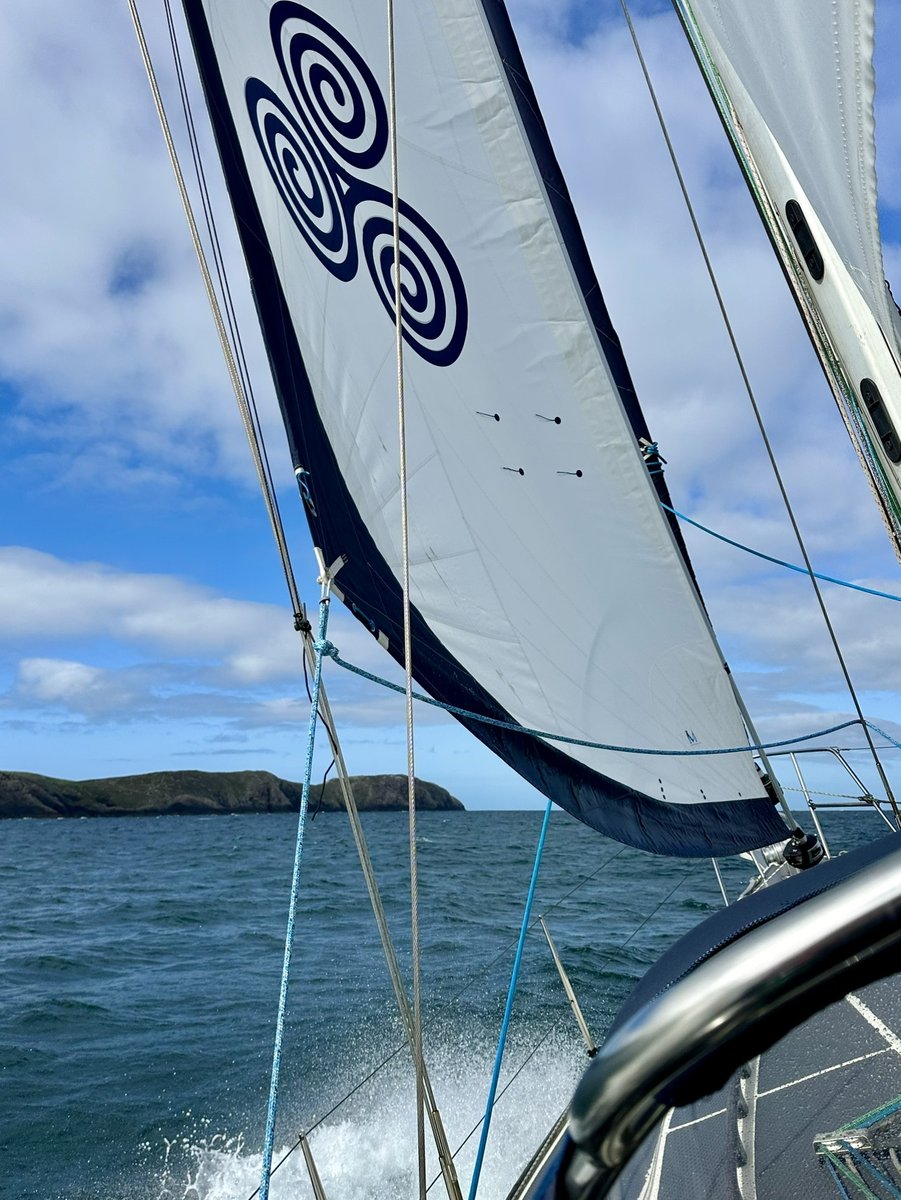
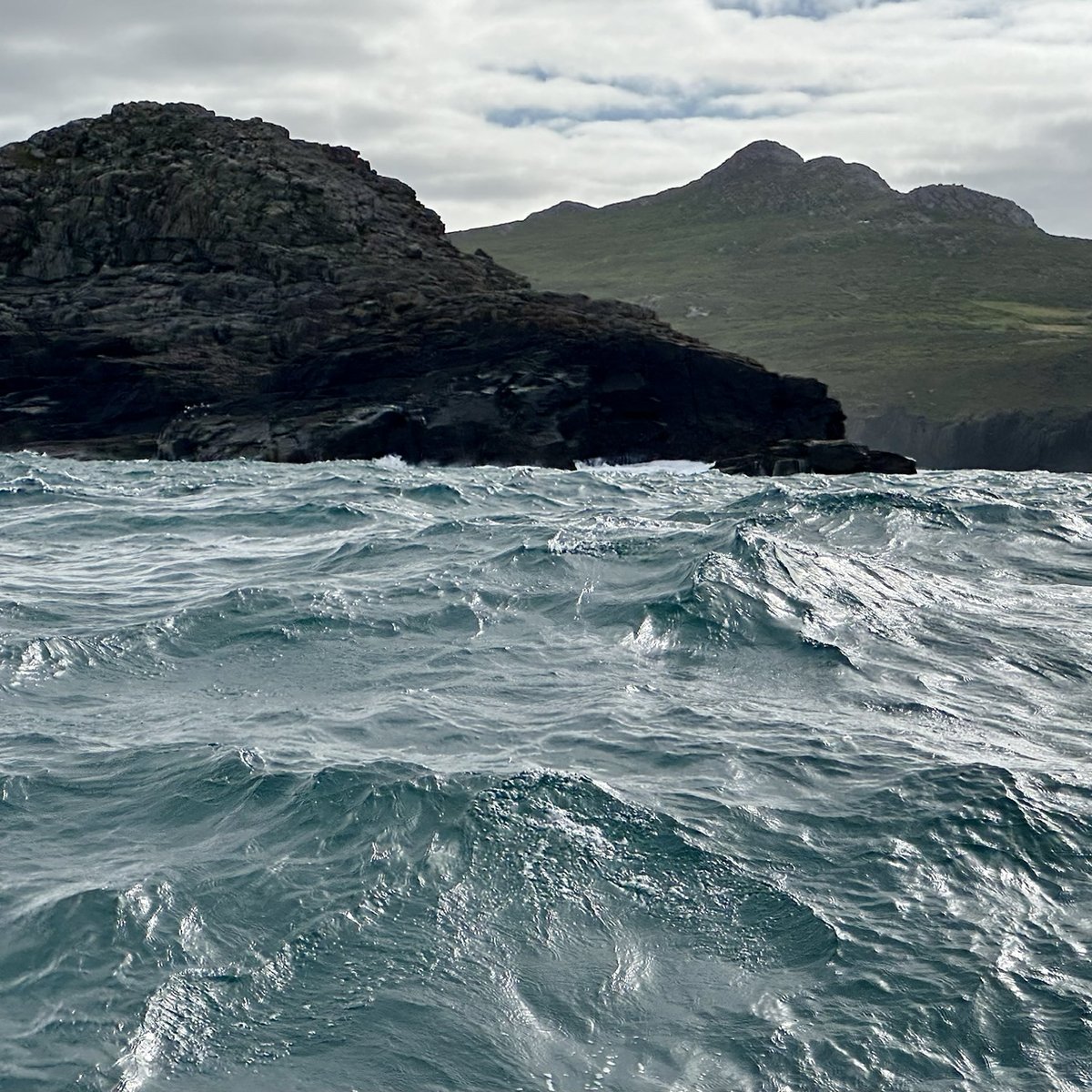
Wieder klingelte der Wecker früh. Im Ankerfeld war es nahezu windstill, auch wenn noch eine ordentliche Dünung unter uns hindurchrollte. Vor Strumble Head bauten sich die Wellen langsam auf, und spätestens vor St David's Head segelten wir gegen einen leichten Wind in erstaunlich beeindruckende See. Sofort versteht man, warum dort eine Rettungsstation steht. Bei schlechtem Wetter möchte man hier ganz sicher nicht unterwegs sein.
Ramsey Sound
Als Nächstes wartete Ramsey Sound auf uns - eine der berüchtigtsten Gezeitenengen Großbritanniens. Unser Timing hätte kaum besser sein können. Statt gegen die Strömung anzukämpfen, ließ sie uns einfach hindurchgleiten und wenige Minuten später fuhren wir auch schon durch ruhiges Wasser auf Skomer Island zu.
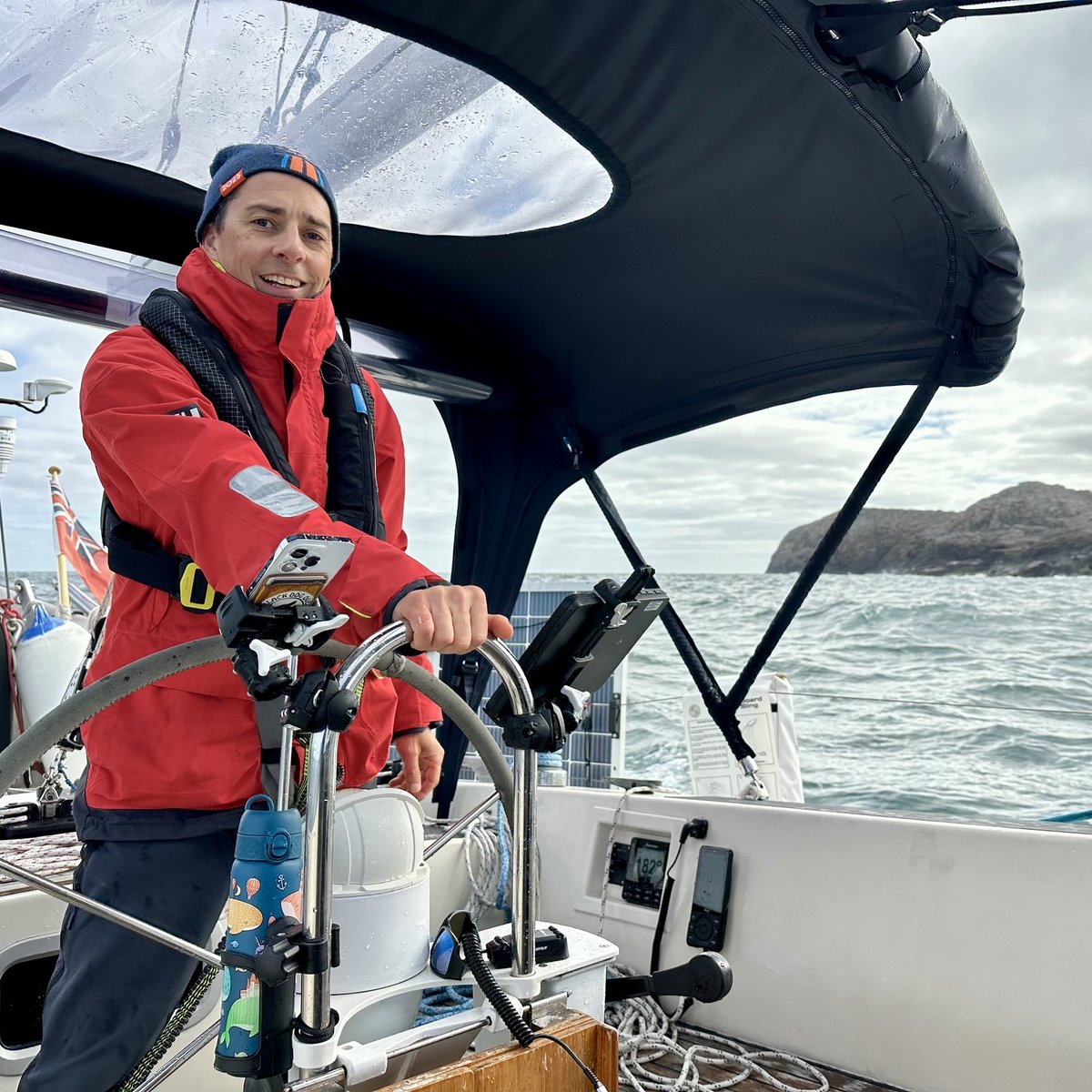
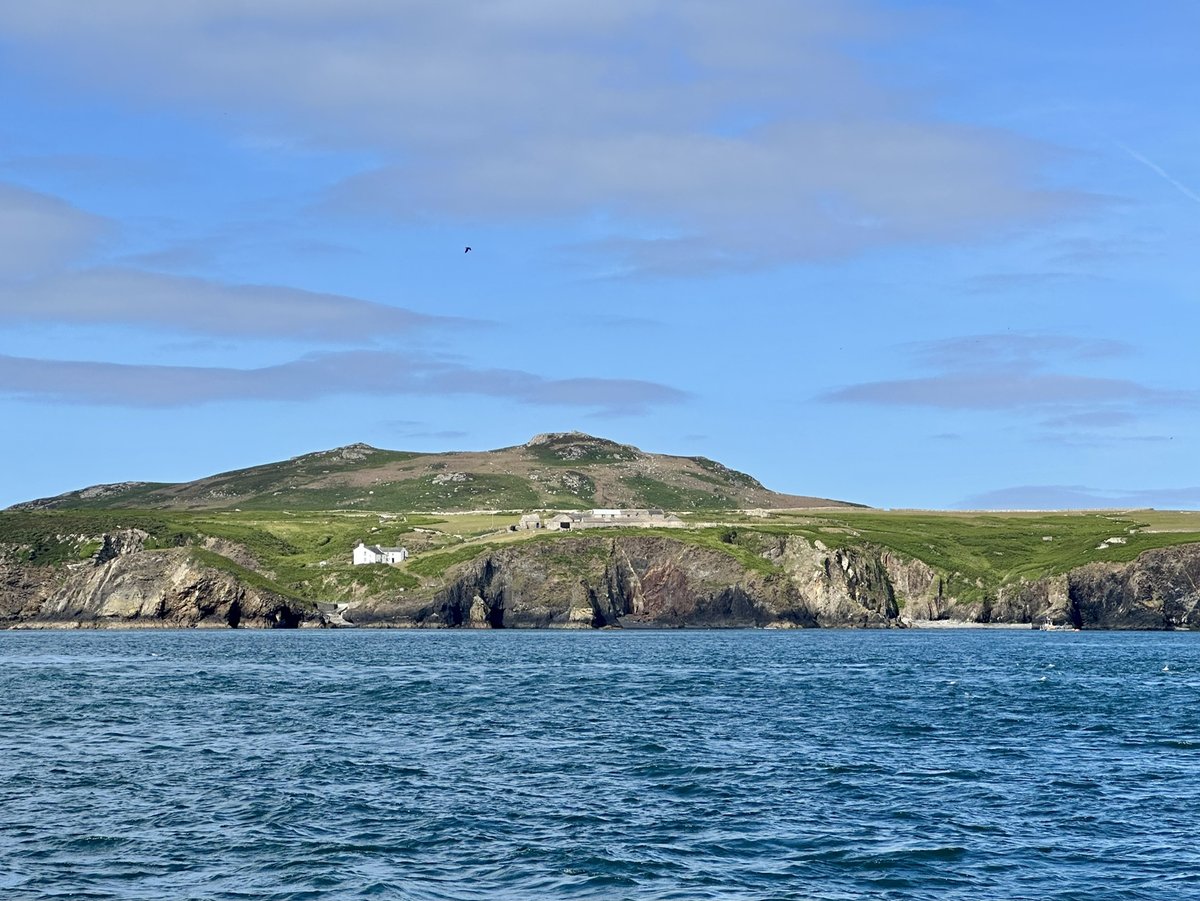
Nachdem wir eine Besucherboje aufgenommen hatten, gab es ein schnelles Mittagessen. Anschließend setzten wir mit dem Dinghy an den kleinen Strand über. Das Boot über die steilen, rutschigen Steine zu ziehen war zwar anstrengend, doch spätestens auf der Insel war das vergessen.
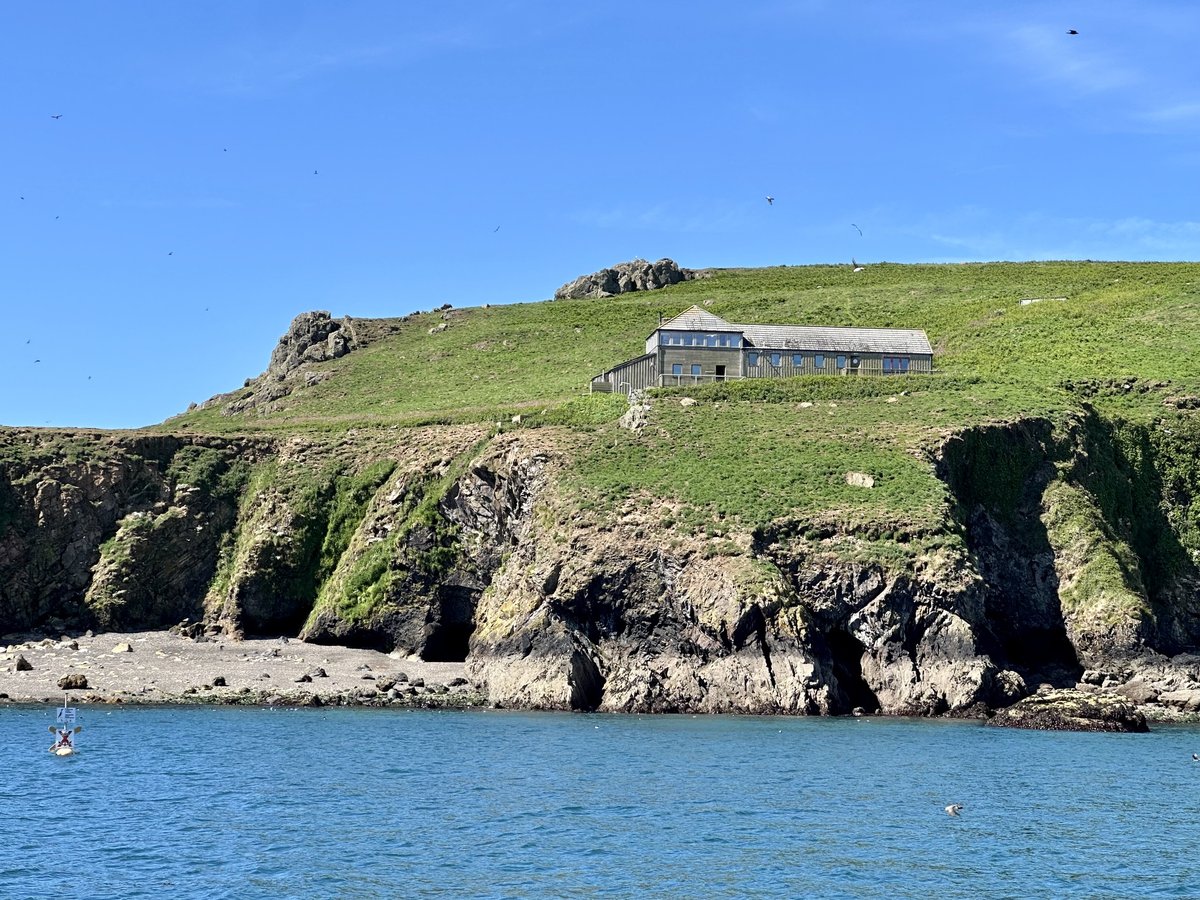
Papageientaucher. Überall.
Für Andrea war Skomer schon lange ein Traumziel. Papageientaucher hatte sie zwar schon einmal an der schottischen Küste gesehen – allerdings draußen auf einem Felsen. Nah genug, um sie zu erkennen, aber viel zu weit entfernt, um sie wirklich beobachten zu können. Schon auf unserer Wales-Reise im vergangenen Jahr wollten wir nach Skomer. Doch das Wetter machte uns einen Strich durch die Rechnung. Seitdem stand die Insel ganz oben auf unserer Wunschliste. Spätestens jetzt war klar: Die frühe Abfahrt, die ruppige Überfahrt und die Wellen vor St David's Head hatten sich mehr als gelohnt.
Leben auf Skomer
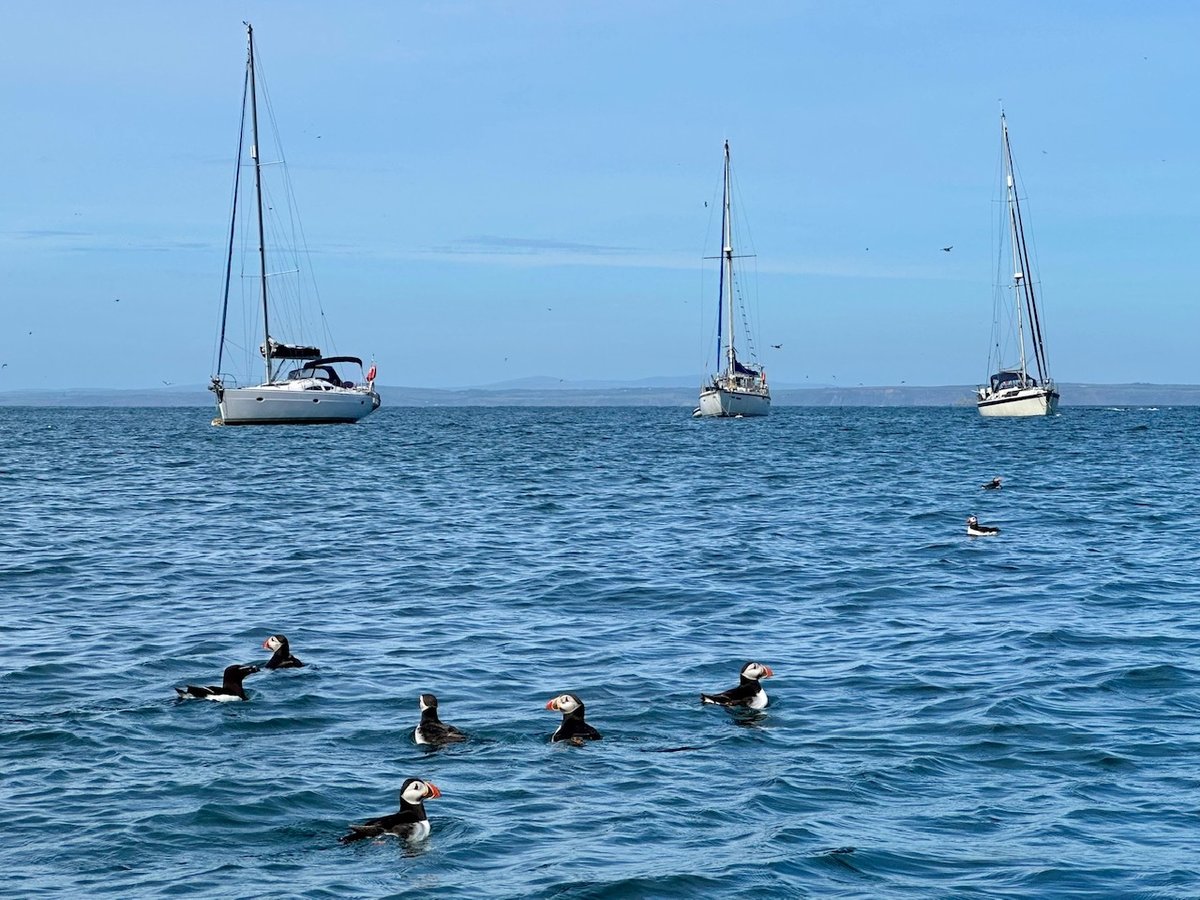
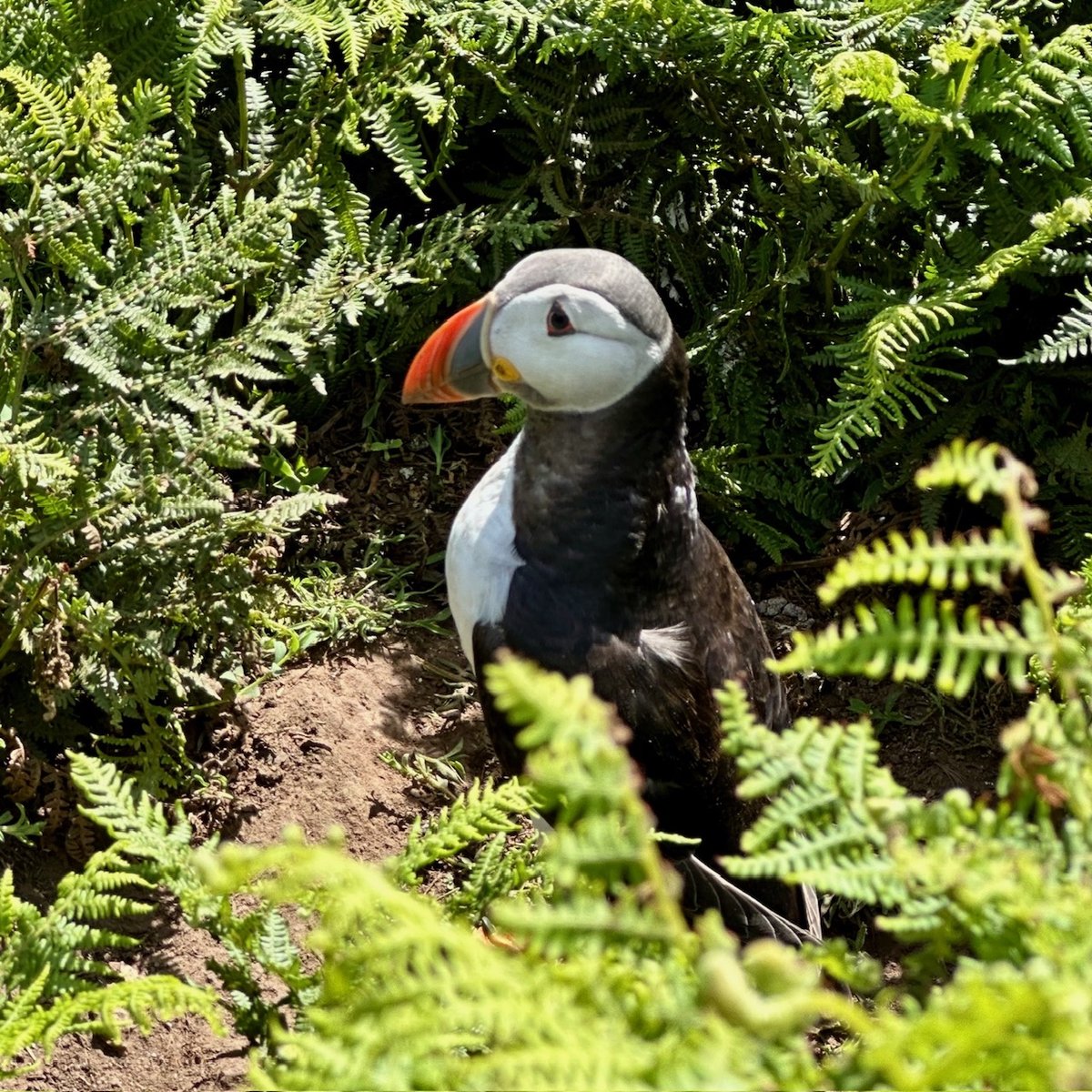
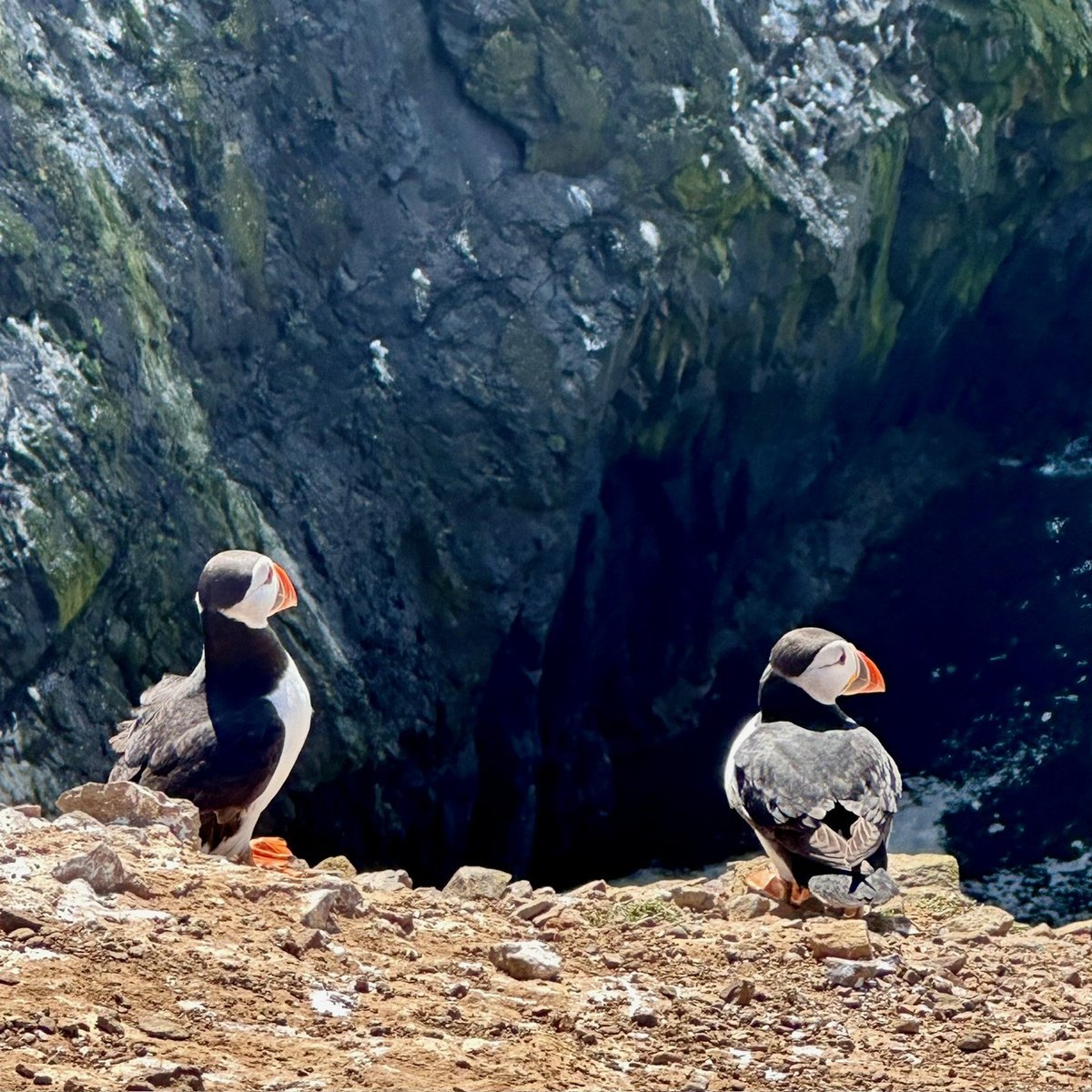
Skomer bemerkt man schon lange, bevor man an Land geht. Zuerst riecht man die Insel. Der unverwechselbare Geruch von tausenden Seevögeln liegt schon weit draußen über dem Wasser. Dann hört man sie. Ein ständiges Konzert aus Vogelstimmen, das mit dem Wind mal lauter und mal leiser über die Insel zieht. In diesem Jahr zählten die Ranger 52.019 Papageientaucher. Zweiundfünfzigtausend! Die Klippen waren voller Trottellummen und Tordalke. An den Hängen wimmelte es nur so von Papageinetauchern. Ihre Bruthöhlen liegen überall. Deshalb haben die Ranger die Wege sorgfältig markiert.
Den richtigen Bau finden
Den ganzen Nachmittag liefen wir bei herrlichem Sonnenschein über die Insel, unterhielten uns mit den Rangern und setzten uns immer wieder einfach ins Gras, um die Papageientaucher aus nächster Nähe zu beobachten.
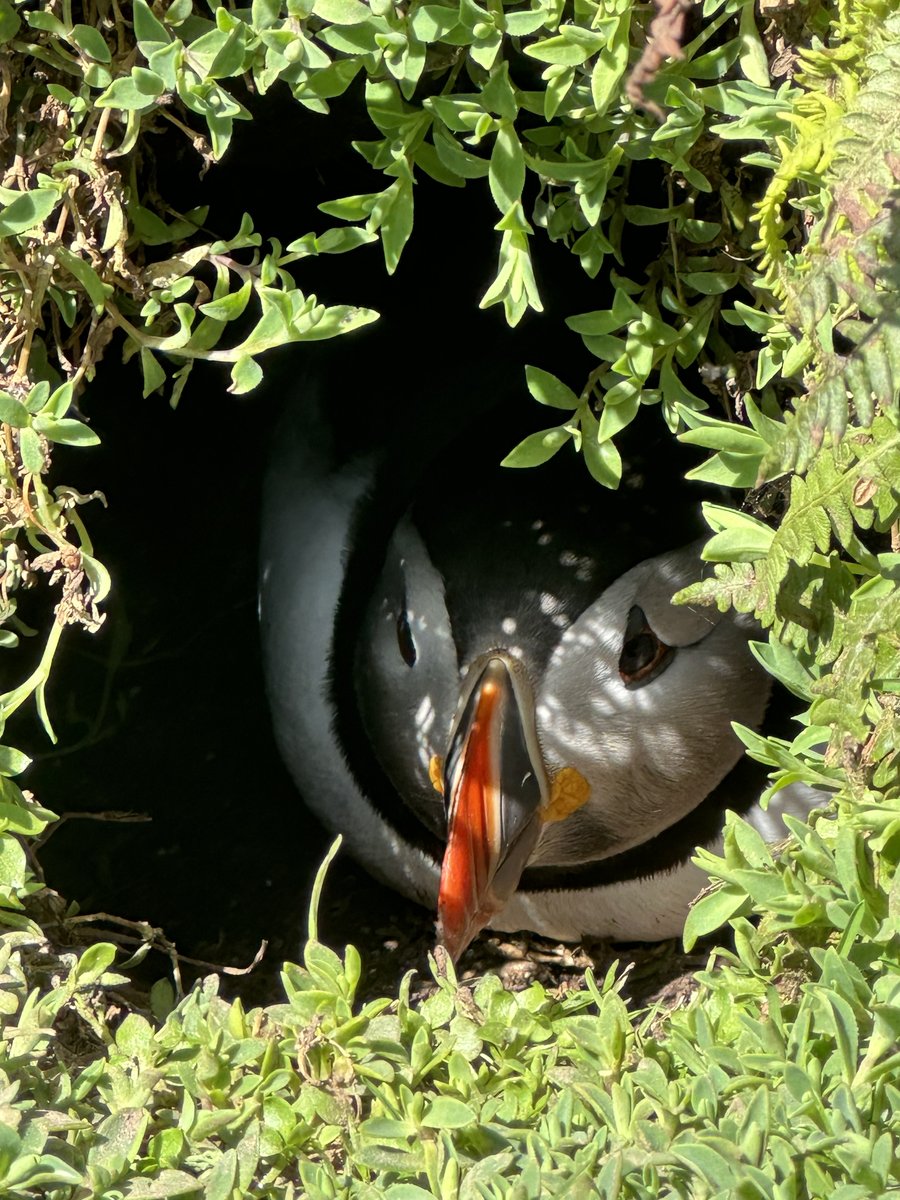
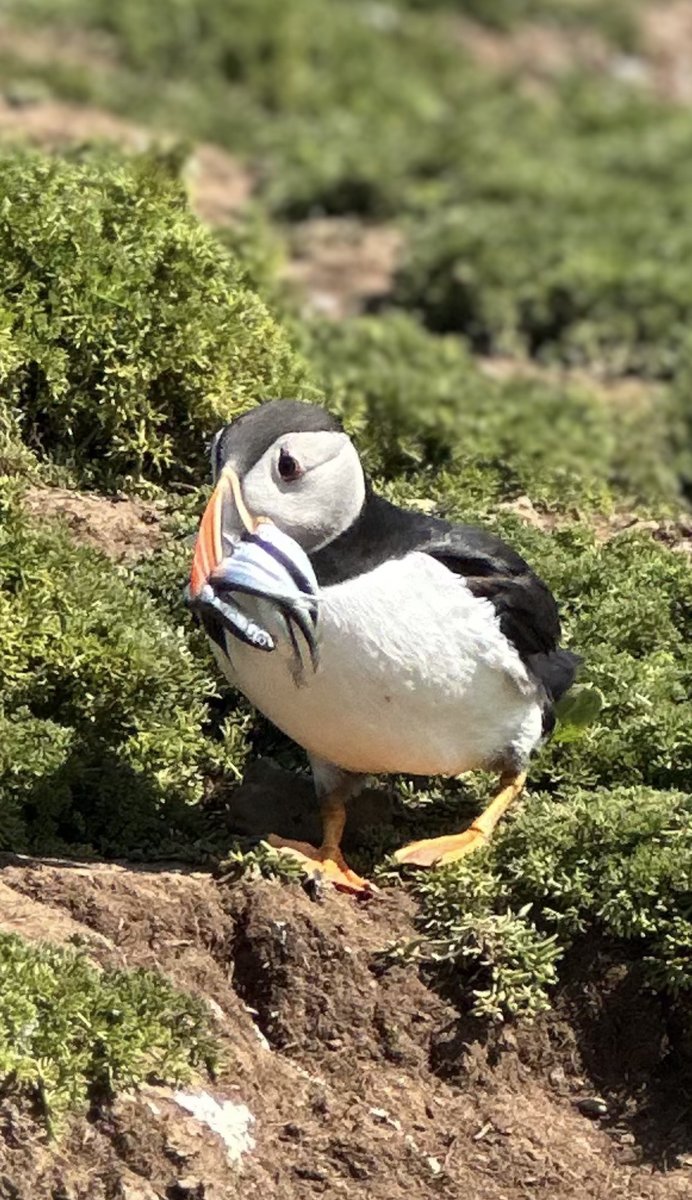
Einer landete direkt neben dem Weg - der Schnabel voll mit Sandaalen. Sechs oder sieben kleine silberne Fische hingen ordentlich nebeneinander. Dann begann die eigentliche Herausforderung: den richtigen Bau wiederzufinden. Selbstbewusst watschelte er über den Weg, warf uns einen leicht genervten Blick zu und verschwand im ersten Bau. Falsch. Wieder heraus. Zweiter Bau. Wieder falsch. Erst beim dritten Versuch fand er den richtigen Eingang. Wir mussten uns das Lachen wirklich verkneifen.
Manx-Sturmtaucher in der Dämmerung
Nach diesem langen Tag fielen wir früh ins Bett. Mit Einbruch der Dunkelheit kehrten die Manx-Sturmtaucher vom Meer zurück. Ihre eigenartigen, fast unheimlichen Rufe hallten über den Ankerplatz und klangen eher wie aus einer anderen Welt als nach einem Vogel.
Frühstück mit Papageientauchern
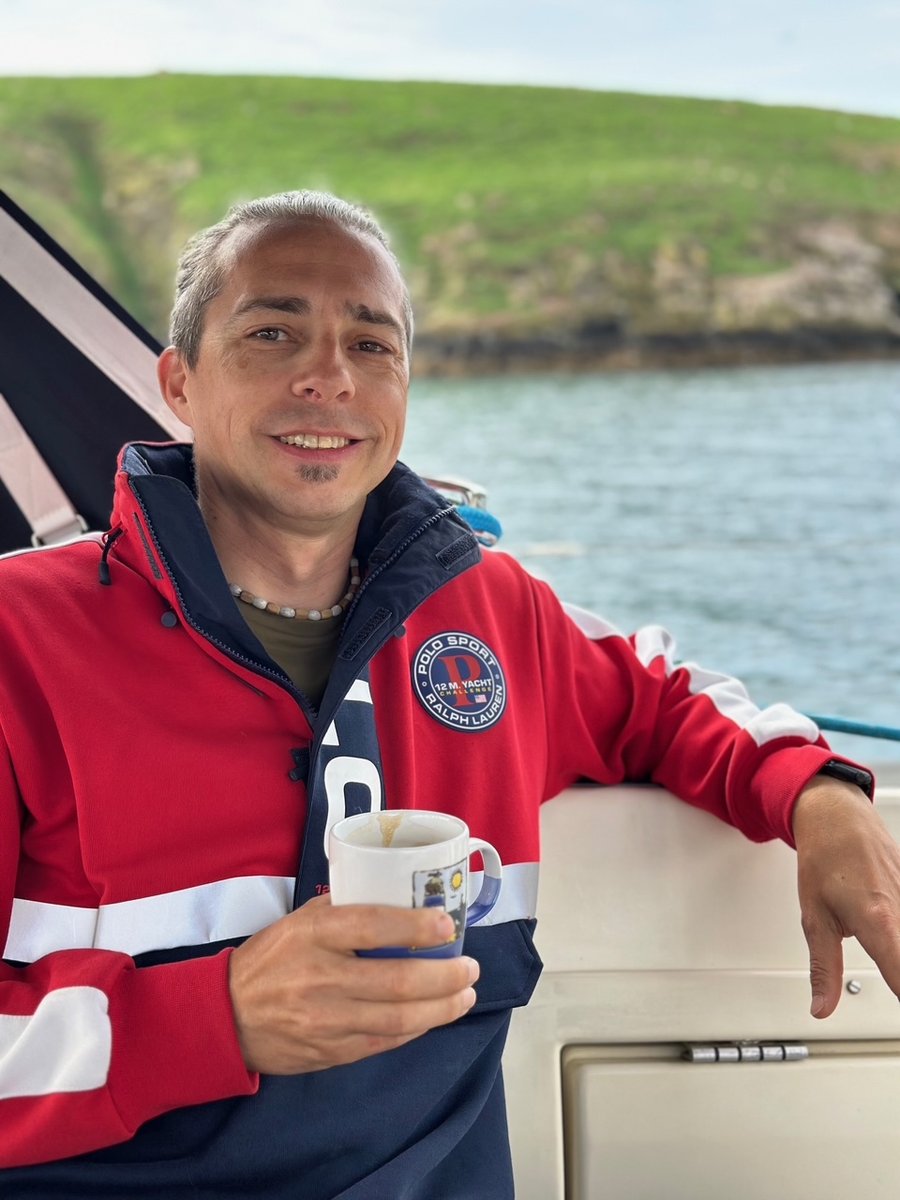
Der nächste Morgen hätte kaum schöner sein können. Blauer Himmel. Sonnenschein. Kaffee im Cockpit. Und überall um uns herum Seevögel. Eigentlich hätten wir noch stundenlang dort sitzen können. Papageientaucher schwammen rund ums Boot, plumpsten mit ihren etwas unbeholfenen Landungen aufs Wasser und paddelten anschließend mit ihren kleinen orangefarbenen Füßen davon. Manche Momente sollte man einfach nicht überstürzen.
Rund um Skomer
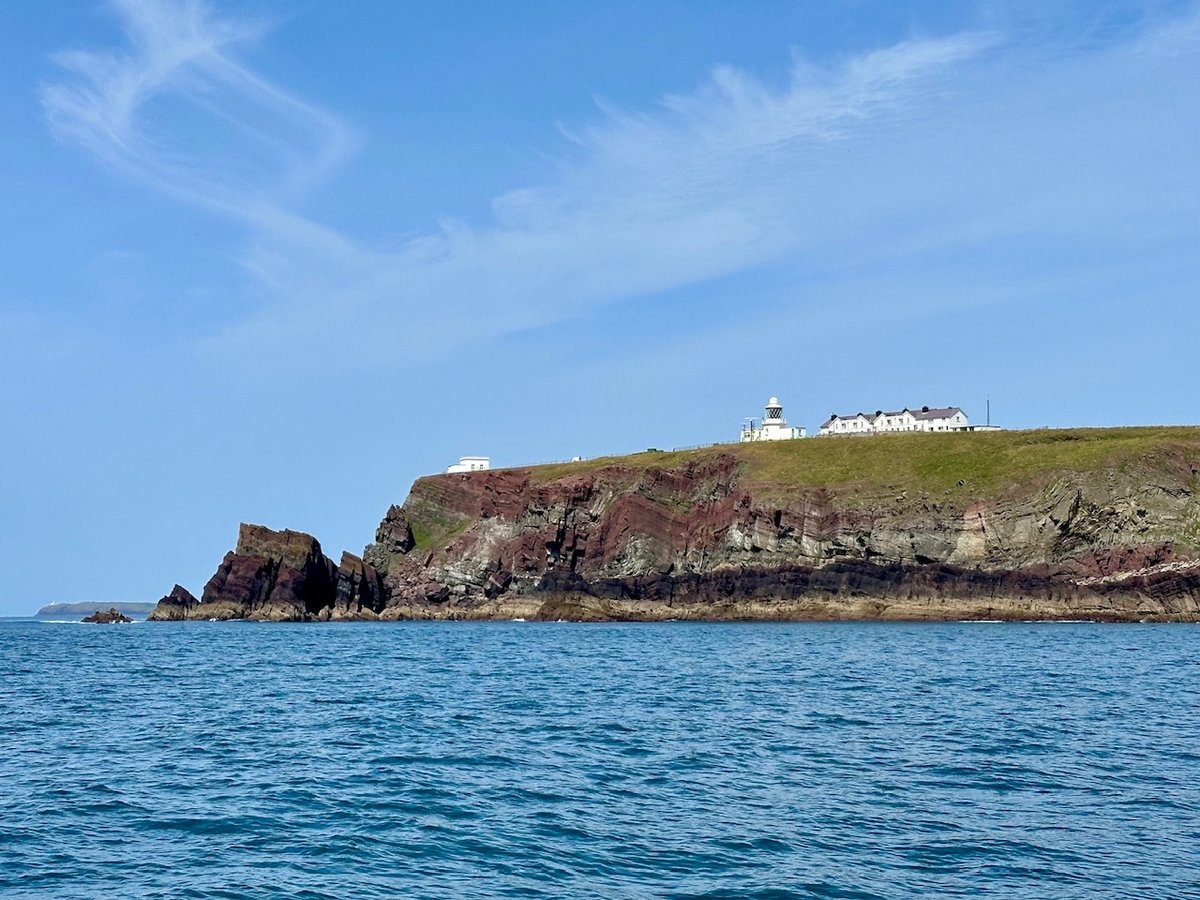
Erst gegen Mittag lösten wir die Boje wieder. Da kaum Wind stand, entschieden wir uns, außen um Skomer herumzufahren statt durch den Jack Sound. Ein wenig Dünung war noch vorhanden, aber längst nicht so viel wie normalerweise in dieser Gezeitenenge. Durch den Broad Sound zwischen Skomer und Skokholm Island ging es weiter um St Anne's Head und schließlich nach Milford Haven. Einen kurzen Abstecher machten wir noch in die Dale Bay. Hier würden wir vermutlich bei der Weiterfahrt noch einmal Halt machen.
Unsere erste Schleuse
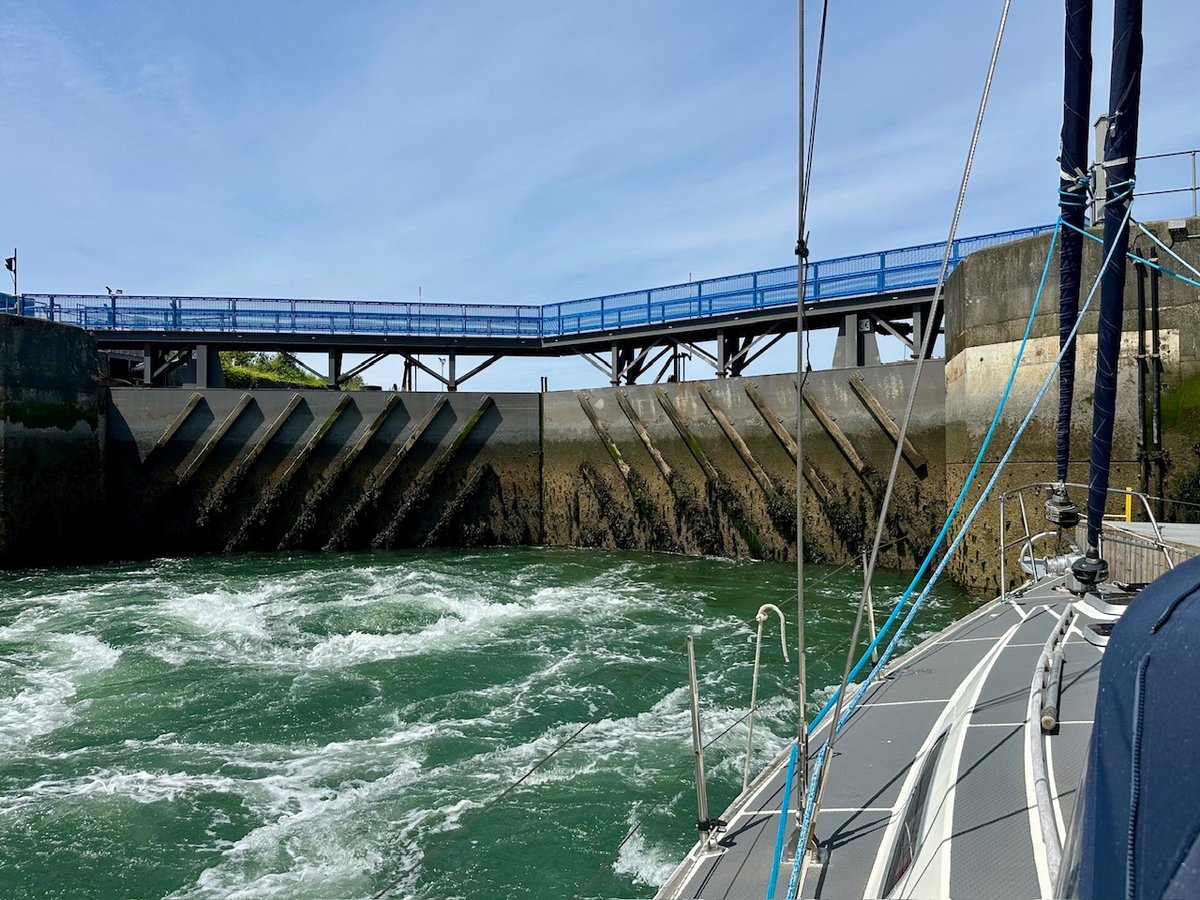
Die Marina von Milford Haven liegt hinter einer Schleuse. Bis zu diesem Tag waren wir mit Lagertha noch nie durch eine Schleuse gefahren. Also beobachteten wir die Boote vor uns ganz genau und versuchten möglichst so auszusehen, als hätten wir das schon dutzende Male gemacht. Am Ende war alles viel unkomplizierter, als wir es uns vorgestellt hatten.
Eine bekannte Stimme über Funk
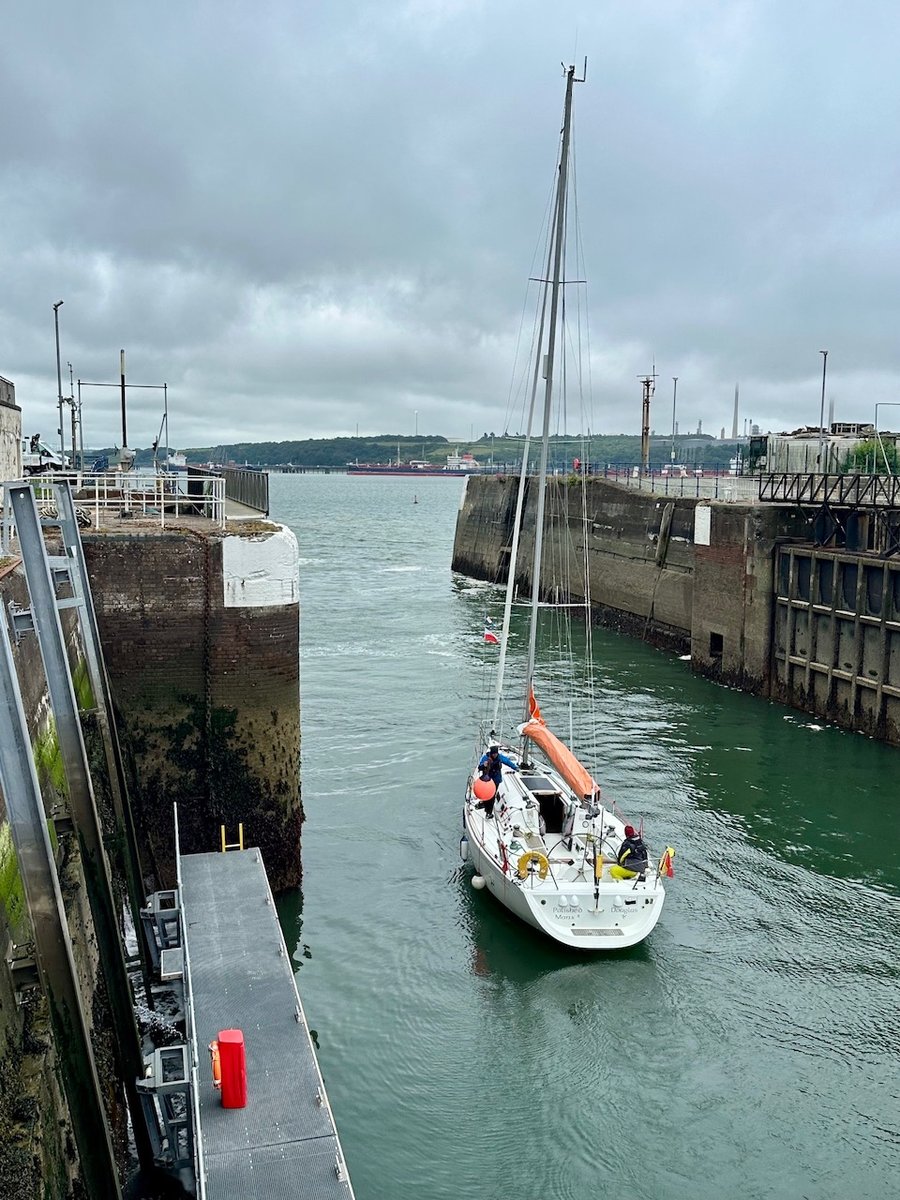
Noch während wir in der Schleuse lagen, knackte das UKW-Funkgerät. "Rob, Rob! Hier ist Kuba - wir sind gerade vor euch reingekommen!" Wenige Augenblicke später erschien Captain Kuba von PolishedManx2 mit seiner Crew auch schon oben auf der Schleusenmauer. Was für ein Zufall. Sie kamen gerade von einer Regatta in Falmouth und waren bereits auf dem Weg zur nächsten nach Irland. Auf See begegnet man sich eben immer zweimal.
Steuerung, Schaufelraddampfer und der Bristolkanal
Bootsalltag
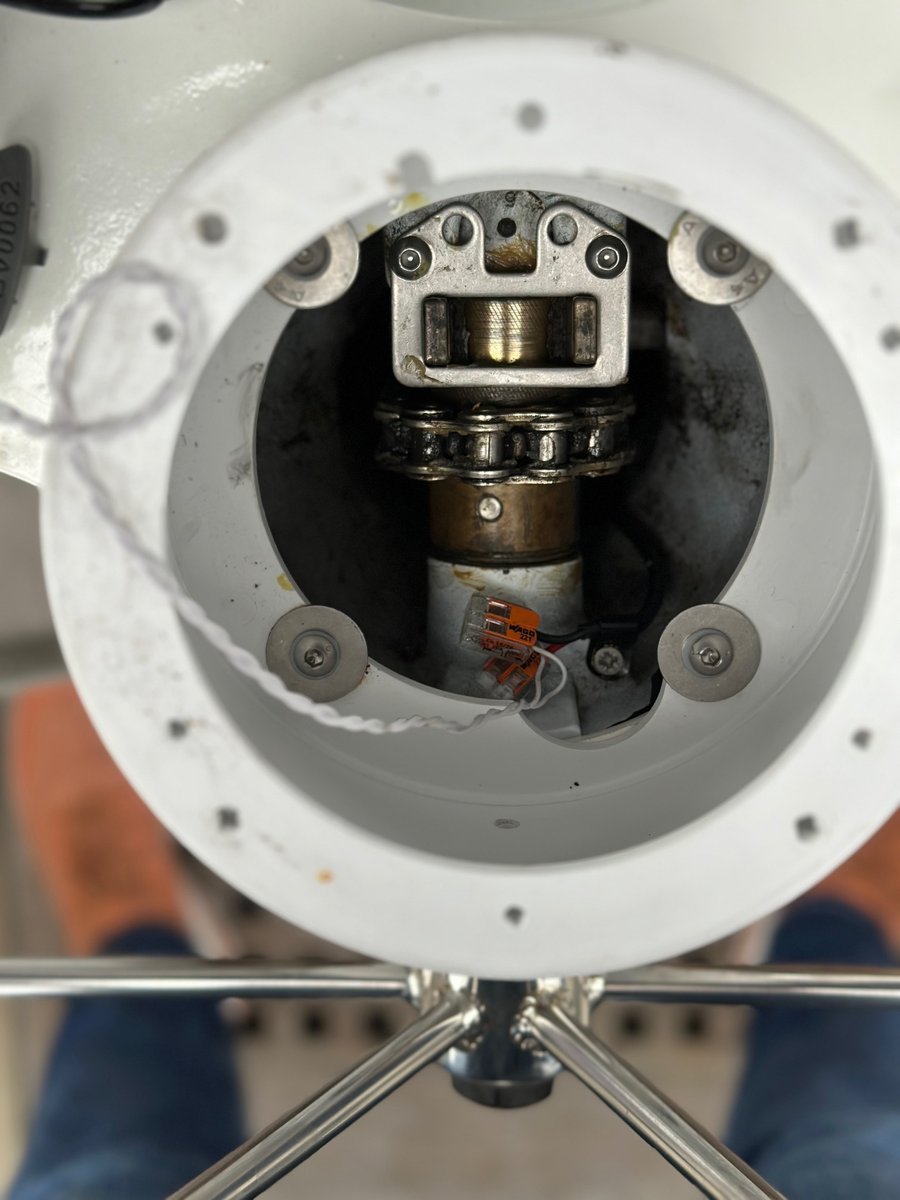
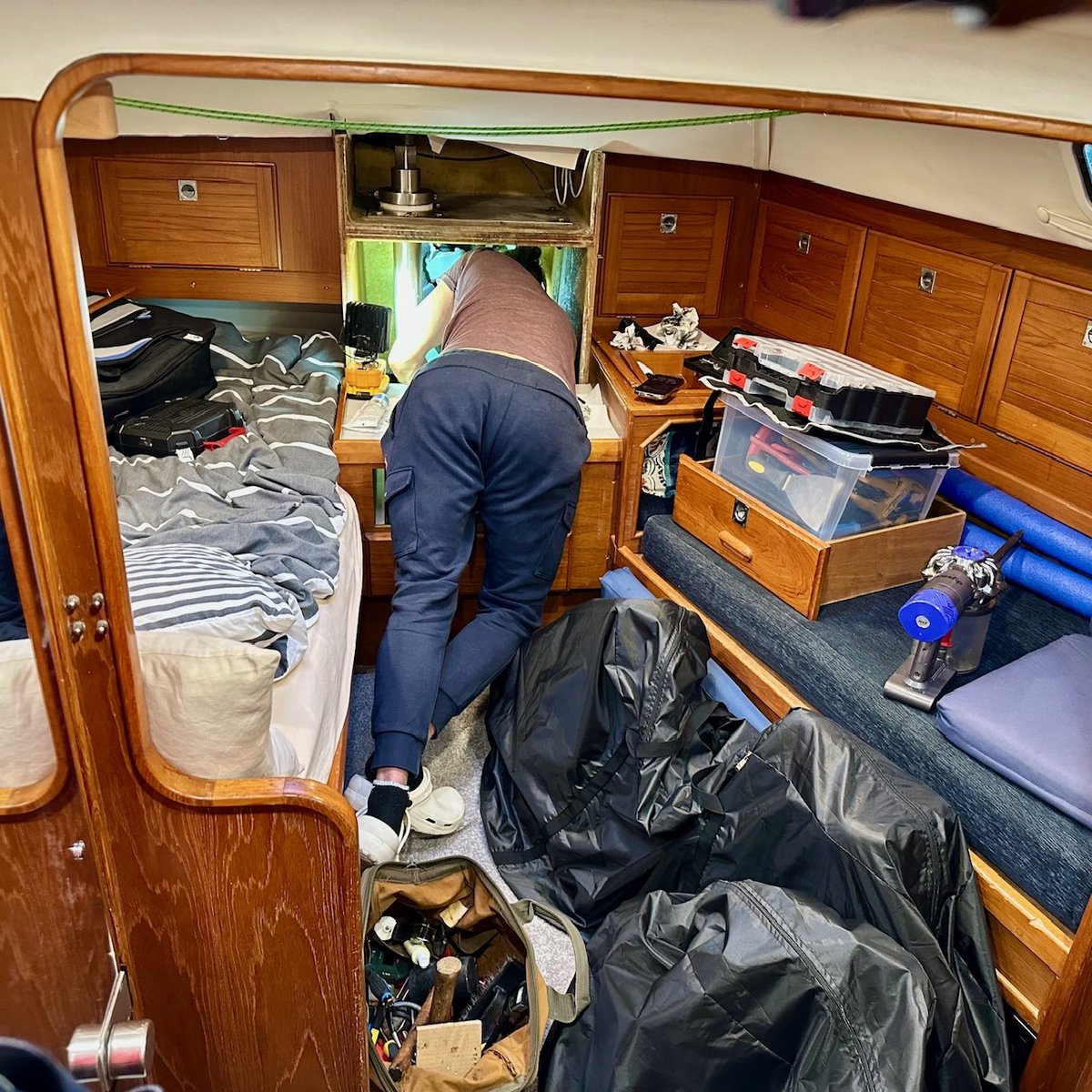
Nachdem wir getankt hatten, bezogen wir unseren Liegeplatz und konnten endlich entspannen. Eine Sache musste allerdings noch erledigt werden. Seit der ruppigen Überfahrt über die Cardigan Bay fühlte und hörte sich die Steuerung irgendwie nicht mehr richtig an. Wie so oft bei Bootsprojekten begann alles mit einer kleinen Abdeckung. Zehn Minuten später lagen überall Werkzeuge herum und die Achterkabine sah aus, als würden wir eine Generalüberholung durchführen. Zum Glück brachte uns Dave von Windjammer schnell auf die richtige Spur. Nach etwas Grübeln war die Ursache gefunden und die Steuerung funktionierte wieder einwandfrei. Danach kehrte der Marinaalltag zurück. Wäsche waschen. Abendessen im Martha's Vineyard. Einfach das Treiben im Hafen beobachten.
Die Waverley
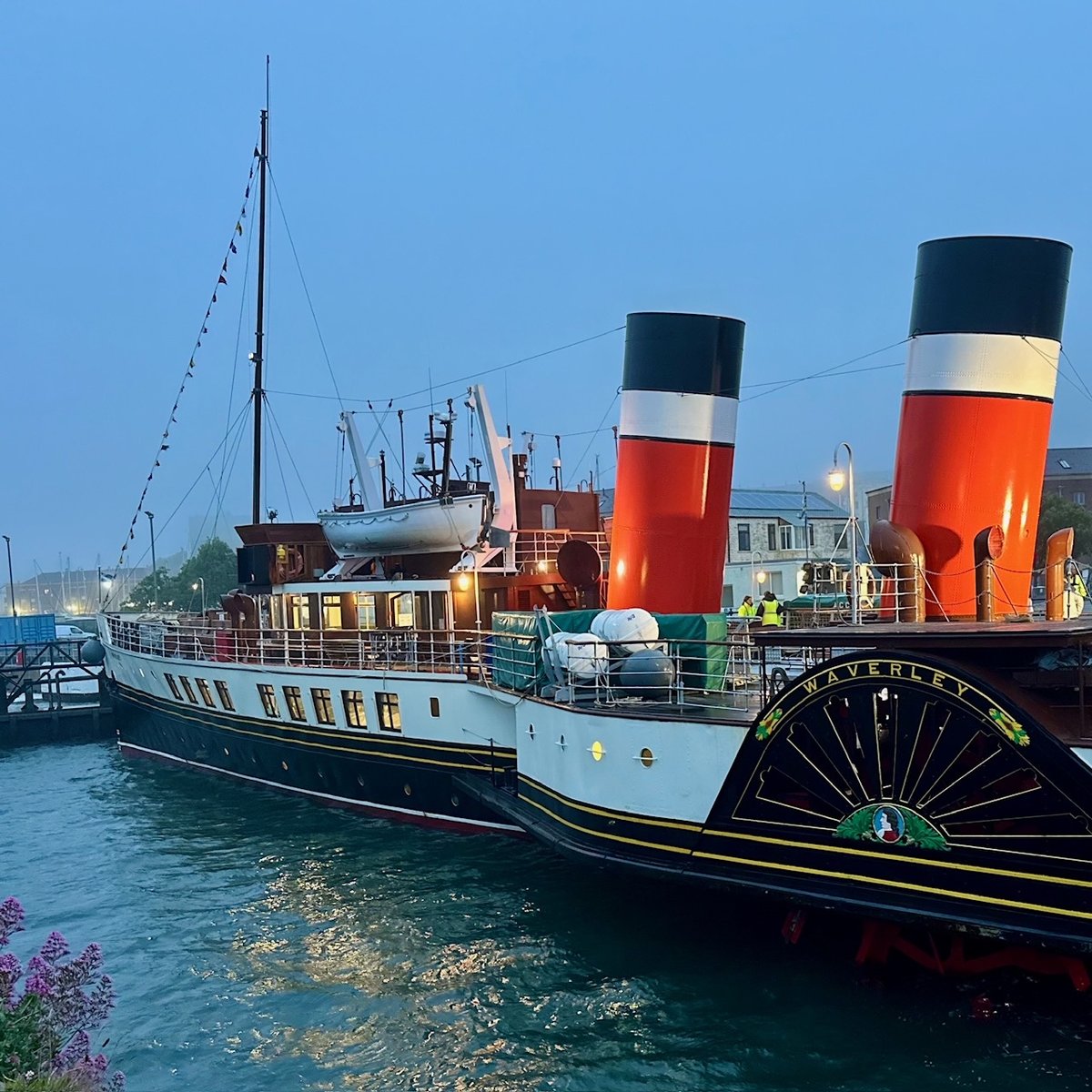
Dann lief die PS Waverley ein. Der letzte seetüchtige Schaufelraddampfer der Welt bringt auch heute - fast achtzig Jahre nach ihrer Indienststellung - noch Passagiere aufs Meer. Natürlich mussten wir sie uns aus der Nähe ansehen. Mit ihren gewaltigen Schaufelrädern und den glänzenden Schornsteinen wirkte sie wie ein Schiff aus einer anderen Zeit.
Warten auf das Wetterfenster
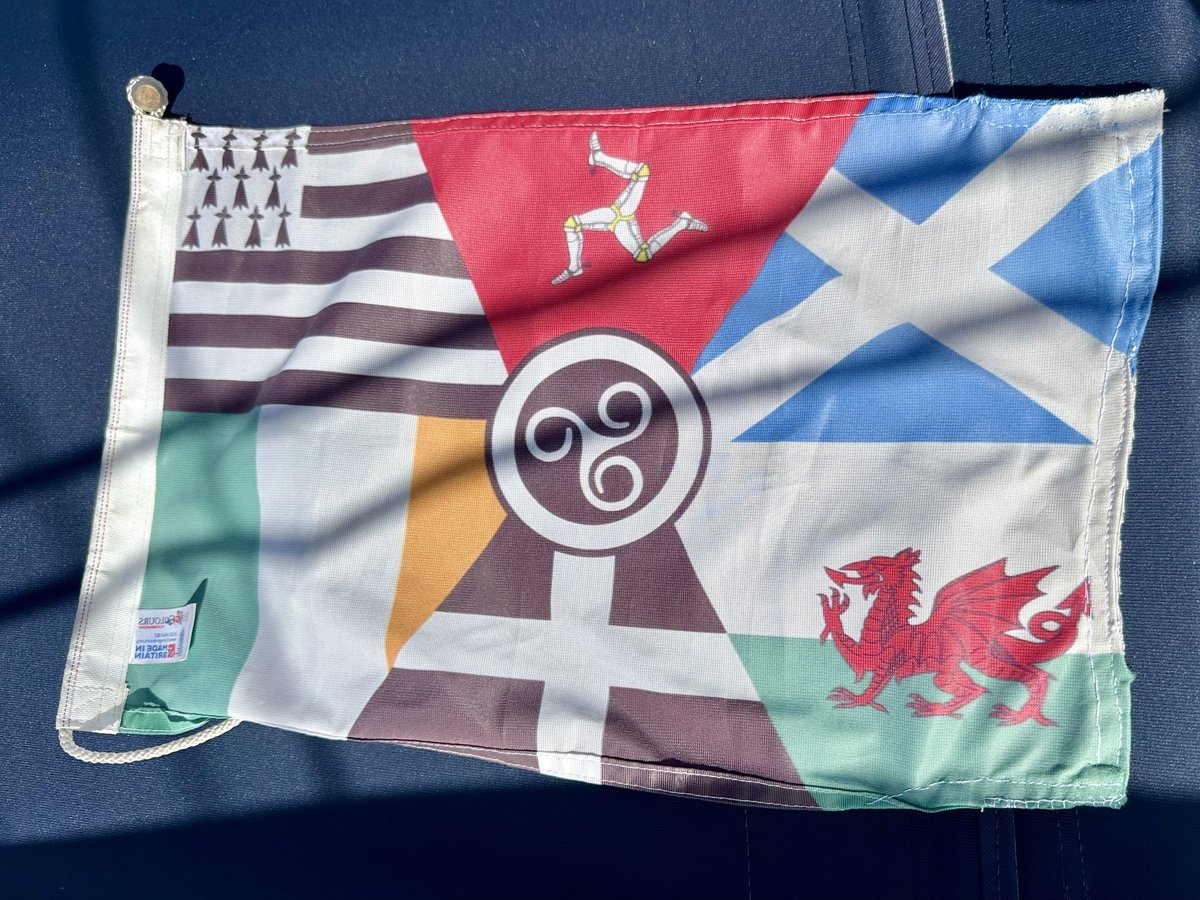
Der nächste Tag verschwand im Nebel und Nieselregen. Wir flickten unsere inzwischen etwas mitgenommene keltische Gastflagge und beobachteten aufmerksam die Wettervorhersagen. Den Bristolkanal überquert man schließlich nicht, nur weil man langsam ungeduldig wird.
In nur sieben Tagen hatten wir die Cardigan Bay überquert, Fishguard erkundet, zwischen über zweiundfünfzigtausend Papageientauchern gestanden, unsere erste Schleuse gemeistert und Lagertha wieder fit für die nächste Etappe gemacht.
Langsam drehte auch das Wetter zu unseren Gunsten. Vor uns lagen der Bristolkanal, die Scilly-Inseln und zum ersten Mal das Gefühl, Wales nun wirklich hinter uns zu lassen.
Doch bevor wir Kurs nach Süden setzten, hatte Wales uns einen wunderbaren Abschied geschenkt. Über zweiundfünfzigtausend kleine Gründe, irgendwann zurückzukommen.
Gefällt dir unsere Reise?
Erhalte Benachrichtigungen, wenn wir neue Journaleinträge veröffentlichen oder wieder segeln.
Abonnieren